Why do some buyers prefer minimalist Yixing Teapot designs over highly carved pieces?
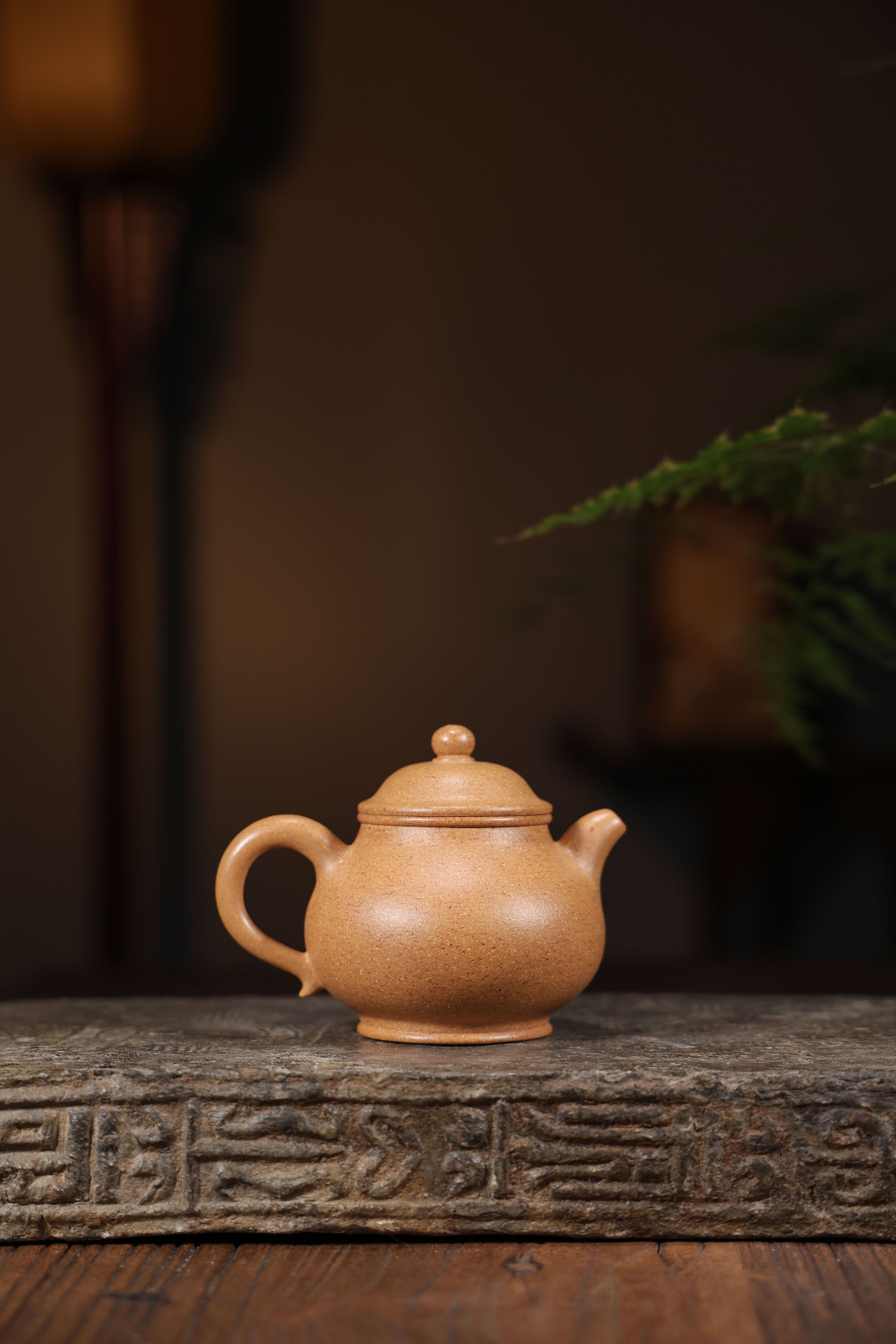
Ages of collectors have sought the exclusive allure of Yixing Zisha kettles. Emerging in the cozy town of Yixing, the republic, these teapots are made from a rare and harvested purple clay esteemed for its superior thermal attributes and capacity to refine the savor of liquids. Aside from their functional appeal, Zisha teapots express a deep cultural roots, transforming them immensely treasured and a undisputed find for any dedicated teapot collector.
Examining Yixing Clay Pots
Classic teapots demonstrate a noteworthy unification of history and masterful craftsmanship. Originating in Yixing, Jiangsu Territory of China, their narrative stretches the Ming Dynasty, although evidence suggest earlier instances. The singular wine-colored clay, called Zisha, found uniquely in the Yixing region, is the paramount component, contributing to the pots' unmatched heat maintenance and the manner they shape the flavor of tea. Continuums of potters have honed techniques—often relayed through families—including coiling the clay, applying sophisticated embellishments, and firing the pots at controlled temperatures.- Historically, Yixing teapots were often enhanced with simple designs.
- Later, more advanced carvings and figurative motifs became favored.
- The kiln firing itself is a vital element, requiring extensive periods of competence.
Accumulating Zisha Teapots: Vital Checkpoints
Initiating a campaign to acquire Zisha kettles can be profitable, but it’s important to appreciate what to search for. Authenticity is critical; focus on the component’s natural tone, a muted reddish-brown is regular. Examine the surface; genuine Zisha has a special tactile sensation, often noted as slightly uneven. The configuration should be well-proportioned and consistent with traditional styles, while maker’s marks, if present, require precise examination for veracity. Don’t delay to consult with expert specialists or respected sources – their knowledge is indispensable.
Ancient Kettles: Exploring the Heritage of this Yixing Clay
Periods have Purple Clay Teapot seen Yixing Ming Clay teapots preserve a special role in Chinese tradition. These finely fashioned pots, sourced distinctively from the province of Yixing, are prominent for their distinctive shade, feel, and their ability to enhance the taste of infusions. Several collectors pursue antique Yixing teapots, appreciating them deeply not only for their aesthetic attractiveness, but also for the records they stand for.
Yixing Zisha Teapots: Such Leading Classes and Their Qualities
Yixing Pottery teapots, sourced from the regional region of Yixing, the People’s Republic, are renowned for their distinctive clay and outstanding brewing skills. Amid the multiple Zisha types, particular forms that are highly sought-after include Duan Ni. Binzhou, known for its deep purple shade and sleek texture, delivers a moderate flavor. Duan Ni form, recognizable by its coppery color and a bit grainy feel, is believed to enhance a richness. Lastly, Zhuni variety boasts an infrequent red tone and can convey a gentle nuance. Each kind offers a singular experience, enabling them extremely desirable to potion enthusiasts.
Conquering A Yixing Container
To discover the full potential of your Yixing urn, mastering the correct approach is fundamental. These clay teapots, celebrated for their absorbency, will successively retain the flavor of the tea you cook within them. Begin by cleaning the jar thoroughly with boiling water. Then, use only premium unpacked leaf tea, as lower quality options can harm the pot’s delicate essence. Always allow the leaves to bloom completely, and remember that with each brewing, your Yixing urn will become ever esteemed.
Preserving Your Beloved Zisha Piece
Proper management for your Zisha pot is fundamental to protecting its integrity and importance. Zisha clay, respected for its unique pigmentation and surface, requires specific handling. Never use corrosive soaps, as these can spoil the surface. After every application, rinse the jar with mild water and allow it to dehumidify completely.
- Refrain from soaking the container for extended periods.
- From time to time use a soft polishing cloth to clean the exterior.
- Reflect on applying a thin layer of food-grade fat inside the urn after drying, which can prevent staining.
Basics of Yixing Clay Pots
Yixing containers, originating from the Yixing province in Jiangsu Province, located in China, are celebrated for their distinctive traits. Fabricated from the unique purple earth known as Zisha, these kettles are prized by potion enthusiasts worldwide. This summary will simply explain the core elements – covering sorts of Zisha composite, popular shapes, and vital care suggestions. Understanding the foundation of Yixing jars can enhance your appreciation for this esteemed example of Oriental folklore.
Trade of Asian Teapots: Focusing on Zisha made in this city of Yixing
Zisha substance from the Yixing territory represents the pinnacle of Chinese pot design, possessing a singular fusion of unprocessed beauty and utilitarian artistry. These distinguished pieces are acclaimed for their bold pigments, often including strong purples and copper hues to delicate greys and subtle beiges. The defining mineral composition of the exclusive-to-the-area Zisha substrate imparts a unique texture and delivers a pleasant aroma that heightens the aggregate drink experience, resulting in them strongly coveted collectibles and fundamental components of any serious infusion.