What integration challenges can a battery energy storage system manufacturer (BESS) solve?
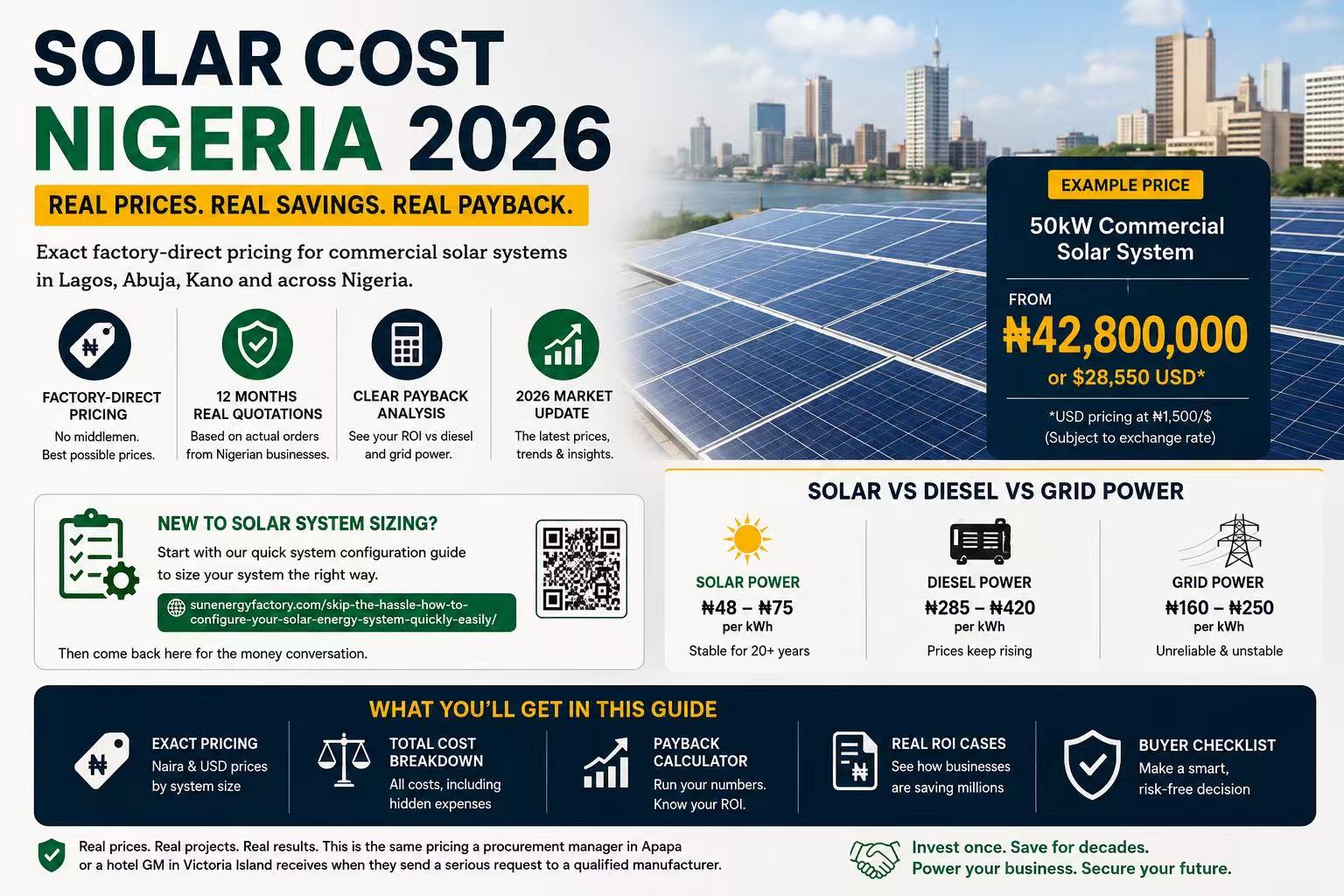
Employing complete sunlight power via sun capture devices yields a clean solution for reducing our ecosystem consequence. This summary surveys multiple sorts of arrangements, from private elevated assemblies to extensive generation sites. We’ll present essential constituents, including solar modules, converters, storage solutions, and necessary links. Furthermore, current discussion aims to offer a concise appreciation of integration protocols, likely costs, and obtainable benefits to enable consumers adopt a transition to sun power.
Fabrication Solar Setups: Improving Functionality & Conservation
That growing demand for alternative energy is propelling innovation in solar technology, with factory solar arrays coming as a pivotal development. Our method empowers for significant production, culminating in minimized costs and improved caliber compared to conventional methods. By improving the production process and connecting automated methods, these production centers remarkably raise overall competence while lowering environmental burden, thereby encouraging a more responsible future.
Energy Backup Systems: Strengthening Green Energy Employment
Significantly, sunlight energy systems are being combined with Battery Energy Storage Systems (BESS) to release their full efficacy. The following synergy addresses the innate intermittency of sunlight, allowing leftover power built during peak daylight to be retained and exerted when demand is substantial or photovoltaic energy creation is low. Energy backup units assist grid stability, reduce usage on hydrocarbon fuels, and improve the total efficiency of environmentally friendly energy infrastructure.
- Curtail peak demand charges
- Increase grid resilience
- Enable the integration of supplementary renewable resources
Energy Retention Solutions: A Comprehensive Review
Integrating heliacal current generation with sound energy hoarding is critical for optimizing its value. These technologies address the intrinsic intermittency of sunlight, empowering energy to be on demand when it’s wanted, irrespective of contemporary commercial solar power system weather surroundings.
- Lithium-ion accumulators are commonly employed for home and industrial applications due to their considerable energy compactness and cutting prices.
- Liquid energy stores offer positives such as increased lifespan and flexibility, allowing them fitting for utility-scale accumulation.
- Pumped hydrostorage arrangements represent a veteran technology, comprising the hoisting of water to a loftier container during periods of additional sun generation and emitting it through a apparatus when call is significant.
Fusing Solar Power and BESS for Factory Energy Independence
Factories possess the capability to significantly reduce their reliance on utility companies by combining solar energy frameworks with electricity preservation systems. This plan enables a factory to yield its own green electricity throughout daylight hours, keeping excess power in power banks for application during peak demand or power grid failures. The final energy sovereignty besides minimizes operational expenditures but also boosts the factory’s environmental sustainability.
Solar Arrangement Plan for Business Objectives: Recommended Standards
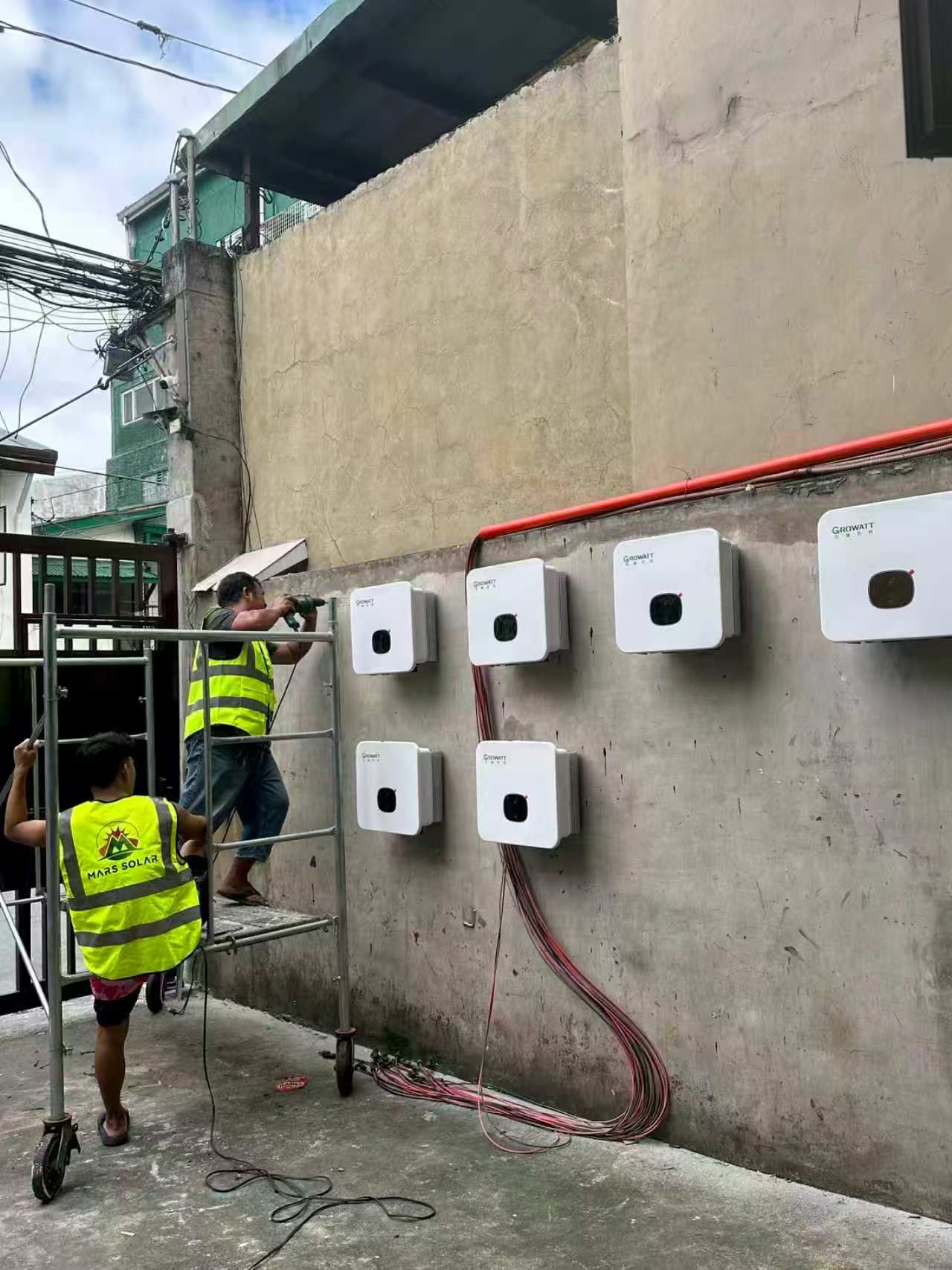
Designing a solar-based power network for manufacturing tasks requires a detailed practice. Various variables must be examined to verify performance and durability. Begin with a comprehensive appraisal of the power prerequisites of the premises, factoring in peak electrical load. Following this, undertake a zone examination, examining planetary illumination levels, cloud cover, and possible ecological states. Appropriate unit designation – including solar arrays, modulators, and depository systems – is crucial for solid reliability. Lastly, apply a sound control system to improve framework functionality and help maintenance.
- Recognize Current Prerequisites
- Inspect Plot Conditions
- Select Proper Units
- Execute a Control Structure
Exceeding Solar Collectors: Understanding Power Holding Options
While photovoltaic modules represent a significant progress towards eco-friendly current, their intermittent trait necessitates secure current retention. Developing away from simply fabricating amperage, cutting-edge techniques are specialized on means to accumulate leftover thermal for afterward utilization. These kinds of answers span a broad selection of instruments, encompassing:n
- Lithium Metal power packs – frequent in electrical transportation and grid-scale reserve.
- Elevated water holding – employing density to contain electric.
- Packed air electrical storage – maintaining charge as stored gas.
- Incandescent charge accumulation – retaining incandescence for postponed utilization.
Optimizing Assembly Activities with Solar Energy and Charge Accumulation
Many recent manufacturing sites are noticeably examining sustainable approaches to curtail their ecological mark and production budgets. Integrating sun-powered power creation with electricity saving affords a advantageous pathway. This fusion allows operations to manufacture their tailored electricity, lessening usage dependence on the utility. Furthermore, current accumulation maintains a stable power provision, even during episodes of reduced sunlight or strong demand. Consider these likely positives:n
- Lowered charge payments
- Improved charge detachment
- Reduced planetary exhaust
- Improved durability to energy supply outages
This Future in Manufacturing: Green Power, Renewable Energy Storage Systems (BESS|Battery Storage Solutions|Energy Backup Solutions|Energy Storage Technologies|Power Reserve Units|Energy Retention Devices|Electricity Storage Mechanisms}) and Energy Management
Plant's trajectory is rapidly shifting towards eco-friendliness, driven by surging costs and natural concerns. Principal key element in this evolution is the implementation involving photovoltaic-based power – producing clean electricity meant for factories. Blended with Power Storage Systems (BESS), which offer resilience against grid outages and optimize energy usage, manufacturing facilities can reach greater operational self-sufficiency. Furthermore, energy efficiency initiatives – for example improving processes and lowering waste – will be important enabling a successful and responsible environment relating to the business sector.