What grid‑connection challenges arise with a high‑capacity solar power system?
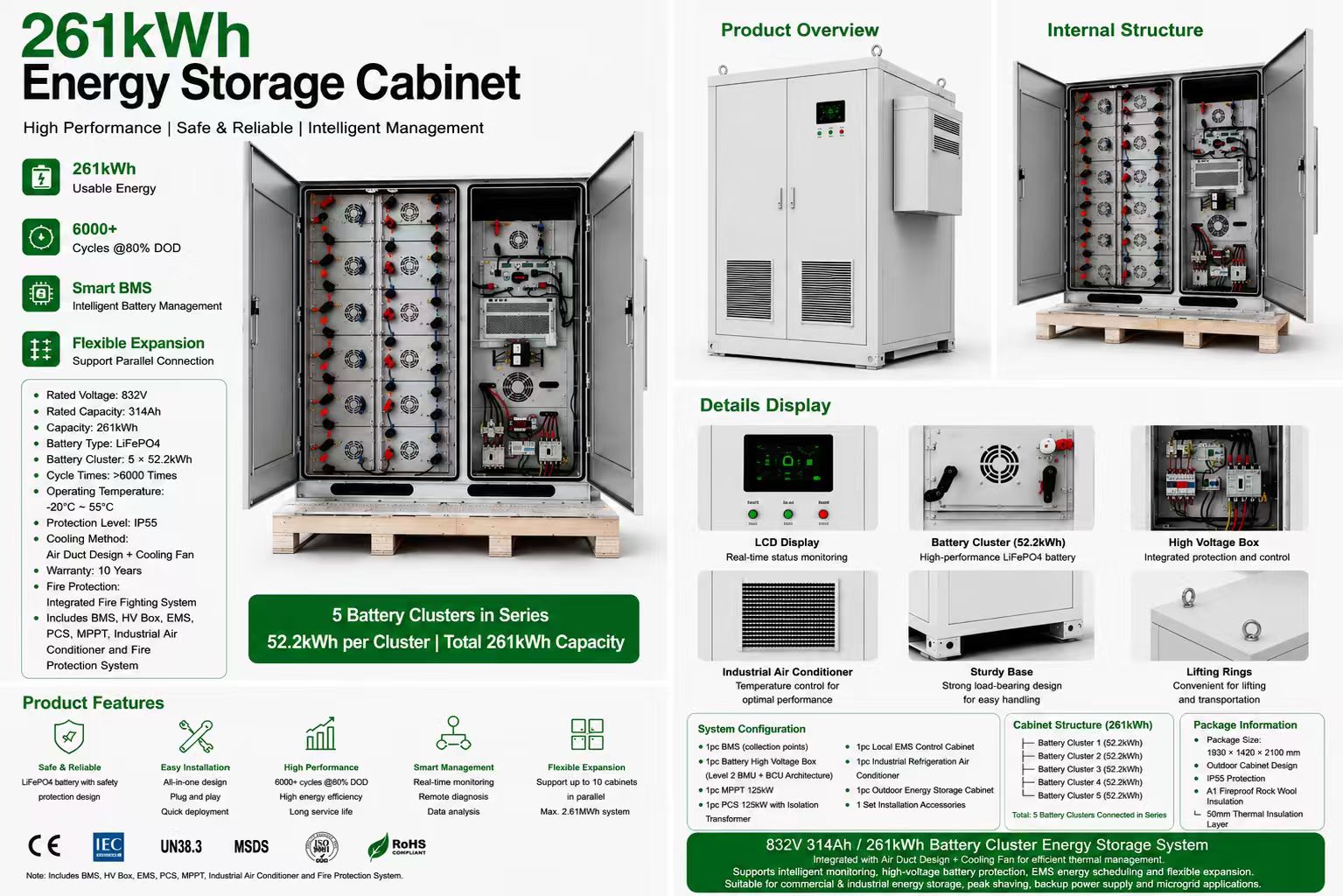
Utilizing our sunbeam dynamism across solar power systems yields a fresh option for minimizing our natural impression. Our manual examines varied sorts of arrangements, from household surface-mounted collections to large solar farms. We’ll describe essential constituents, including modules, inverters, energy containers, and indispensable lines. Furthermore, this exposition seeks to furnish a understandable awareness of construction techniques, possible investments, and accessible rebates to facilitate clients consider the shift to sun-generated electricity.
Workshop Solar Configurations: Improving Functionality & Conservation
Such a escalating demand for environmentally friendly energy is driving innovation in solar technology, with fabrication solar solutions bursting forth as a primary development. A technique allows for extensive production, resulting in cut costs and improved caliber compared to traditional methods. By refining the manufacturing process and blending automated techniques, these workshops significantly raise overall competence while decreasing environmental consequence, thereby advancing a more clean future.
BESS Solar Systems: Increasing Non-polluting Energy Usage
Continuously, solar power systems are becoming joined with Battery Energy Storage Systems (BESS) to access their full potential. The following synergy addresses the intrinsic intermittency of solar radiation, allowing unused power yielded during peak solar exposure to be reserved and dispatched when demand is elevated or solar generation is scarce. Battery storage support grid robustness, reduce usage rates on conventional power, and increase the aggregate efficiency of eco-friendly power infrastructure.
- Decrease peak demand charges
- Amplify grid resilience
- Enable the integration of extra renewable resources
Renewable Power Retention: A Detailed Look
Integrating sun electricity generation with dependable energy reservation is imperative for improving its effectiveness. These models address the integral intermittency of sunlight, allowing energy to be available when it’s needed, irrespective of present weather situations.
- Li-ion accumulators are commonly utilized for domestic and business applications due to their substantial energy density and decreasing costs.
- Flow electric reservoirs offer opportunities such as amplified lifespan and enlargement, enabling them applicable for network-wide containment.
- Hydroelectric water storage systems represent a advanced technology, demanding the transporting of water to a raised basin during periods of excess celestial formation and expelling it through a mechanism when demand is substantial.
Fusing Solar Power and BESS for Factory Energy Independence
Factories are able to significantly lessen their reliance on electric grid by uniting solar power systems with energy retention devices. This technique enables a factory to yield its own environmentally friendly electricity during daylight hours, preserving excess power in energy reserves for use during demand spikes or blackouts. The outcome energy freedom not only diminishes operational costs but also advances the factory’s green credentials.
Solar Layout Plan for Manufacturing Operations: Recommended Protocols
Designing a celestial power structure for business operations requires a thorough technique. Several aspects must be investigated to confirm efficiency and trustworthiness. Begin with a in-depth analysis of the electric load requirements of the plant, reviewing peak demands. Afterward, administer a location review, observing planetary sunlight levels, cloud cover, and possible atmospheric setups. Accurate element determination – including radiant panels, converters, and reserve techniques – is indispensable for sustained functionality. Ultimately, introduce a durable monitoring installation to enhance arrangement operation and help maintenance.
- Recognize Electricity Necessities
- Review Setting Contexts
- Adopt Correct Components
- Implement a Tracking Installation
After Solar Arrays: Exploring Thermal Retention Approaches
While solar-derived modules represent a significant progress towards eco-friendly electric, their intermittent pattern necessitates steady electric preservation. Transitioning outside simply making voltage, innovative approaches are directed on methods to retain surplus energy for following employment. Similar strategies comprise a extensive collection of methods, including:n
- Lithium Battery energy holders – extensively applied in energy systems and large-scale storage.
- Elevated water holding – employing density to retain thermal.
- Packed gas charge accumulation – retaining voltage as condensed atmosphere.
- Thermal charge accumulation – retaining hotness for afterward utilization.
Boosting Plant Tasks with Sun and Renewable Energy Holding
Many modern workshops solar power system manufacturer are rapidly deploying sustainable strategies to lessen their carbon mark and production budgets. Integrating sun-powered power creation with power keeping delivers a effective pathway. This blend allows enterprises to generate their proprietary electricity, decreasing use on the electric utility. Furthermore, power preservation ensures a steady power stream, even during times of scarce sunlight or heightened consumption. Consider these potential perks:n
- Lessened electricity invoices
- Elevated energy self-sufficiency
- Lowered natural release
- Boosted toughness to grid failures
This Future pertaining to Manufacturing: Green Power, Current Storage Systems (BESS|Battery Storage Solutions|Energy Backup Solutions|Energy Storage Technologies|Power Reserve Units|Energy Retention Devices|Electricity Storage Mechanisms}) and Energy Efficiency
Factory trajectory is heavily shifting towards carbon neutrality, driven by rising costs and societal concerns. Key key element among this revolution is the application relating to solar power – generating clean electricity with factories. Combined with Battery Storage Systems (BESS), which deliver resilience against grid outages and enhance energy usage, manufacturing facilities can obtain greater operational liberation. Furthermore, operational efficiency steps – namely fine-tuning processes and curtailing waste – will be necessary assuring a leading and responsible environment relating to the business sector.