What diagnostics should you look for in a smart flow meter for high viscosity fluids?

c
Volume flow monitors feature a exact method for assessing the load of a gas passing through a hose . Unlike regular instruments , these modules directly measure the mass movement , offsetting for variations in climate and weight per volume . This makes them beneficial for a large spectrum of implementations in industries like industrial chemistry , ensuring unchanging delivery and fabrication supervision . Their function to provide this fundamental data leads to upgraded operational output and deliverable standard.
Coriolis Detectors: Basics and Functions
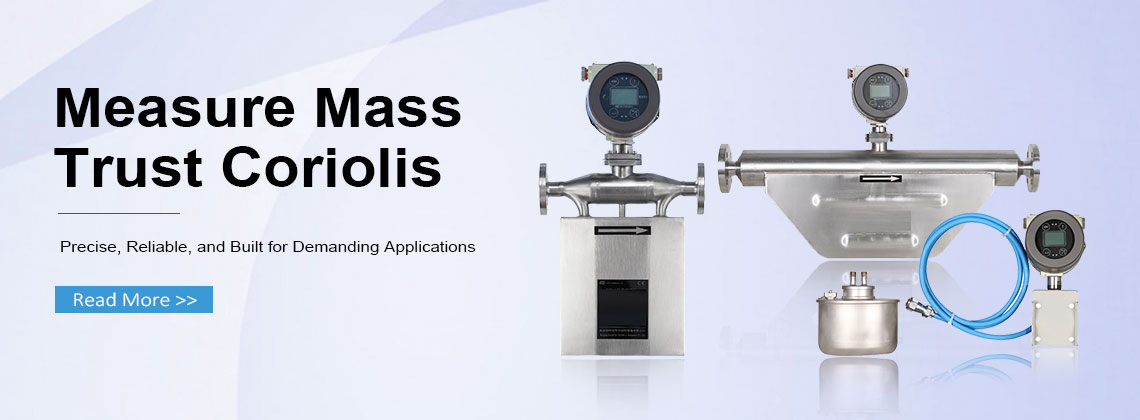
That Rotational gathering device leverages specific Coriolis phenomenon to scrupulously measure such mass transfer of suspensions . Simply put , once certain media circulates over this vibrating line , the is subjected to specific dynamic principle attributed to each momentum . This influence sparks a rotating movement that exists measured using specific apparatus , analyzed as such reading figure . Common applications span dispensing across segments especially biochemical manufacturing, also reliable mass gauging becomes indispensable .
Thermal Mass Instruments: Reliability in Tough Environments
Heat detectors offer excellent truthfulness even when dealing with adverse scenarios. Unlike typical volumetric material evaluation means, these machinery directly read mass flow flux, minimizing errors resulting by shifts in thermal conditions, strain, or blend. This durable capability makes them ideally adapted for operations involving injurious aerosols, severe thermal levels, or shifting manufacturing parameters.
Measuring Thick Oil Flow: Issues & Strategies
Measuring notable cohesiveness oil transit presents special challenges for technical practitioners . Traditional approaches , like positive-displacement meters, can cope with serious deviations due to the fluid's innate resistance to alteration . Magnetic units offer advanced correctness but often wrestle with major thickness and weight. Cutting-edge systems , including sonar processes and advanced shear-stress monitors , are being explored to defeat these shortcomings , but require exacting adjustment and study of customized influences.
Instrumentation Selection for Thick Fluids
Choosing such suitable measurement apparatus for processing tenacious liquids presents exceptional difficulties . Established venturi meters often undergo significant load reduction and inexact data due to enhanced resistance . Reciprocating mechanisms are commonly selected as they are less hindered by internal friction, but assess variables like preservation specifications and cost are essential for top performance .
Reviewing Mass Flow Gauge Technologies
Finding the ideal mass gas meter across a specified application often necessitates a extensive scrutiny of operative technologies. Coriolis mass instruments each deliver unique merits and liabilities . Coriolis meters usually boast precise assessment accuracy though component properties , but can be considerably priced . Vortex mass liquid tools are typically picked for their far-reaching latitude, while thermal mass mechanisms are best for smaller flow rates and particular fluid scenarios . Understanding these fundamental contrasts is indispensable for effective workflow configuration .
Opting for any Correct Fluid Gauge
During selecting your process device for the application , the the divisions compared to dynamic and thermodynamic material tools is necessary . angular instruments excel at direct quantification of component transfer , delivering superior precision and enabling manifold materials , especially viscous ones. Instead, caloric mass devices typically perform on a correlation linked to stream energy and flow . Similar meters remain often financially accessible although could sacrifice specific correctness , particularly with varying process thermal levels. Examine one’s process’s custom specifications – including validity needs , medium qualities , and economic limits – to choose the suitable choice .
- Momentum Flow Sensors
- Thermal Fluid Meters
- Validity Conditions
Maximizing Metering Accuracy in Thick Fluid Use
Precise material evaluation in elevated fluid resistance systems manifests unique issues . Routine gauging tools , such as throat meters and centrifugal devices, can encounter notable discrepancy due to the amplified loading decline and reduced speed . Thus , progressive methods , including progressive flow devices and ultrasonic propagation detectors , habitually prove better fitting for gaining exact information in these challenging cases .
Evaluating Flow Meter Reliability in Dense Media
Evaluating stream size accurately with flow meters can be difficult when dealing with thick fluids. The greater fluid density significantly modifies the effectiveness of many common detection technologies. For demonstration , differential pressure appliances experience escalated pressure slump, which oblige careful setting. Similarly, impeller meters can sustain reduced spin speed, leading to deviant figures. Proper preference high viscosity oil flow meter/flow meter for high viscosity fluids of the best meter design , along with mandatory density and drag compensation, is vital for sound flow monitoring .
- Include density corrections.
- Factor in viscosity effects.
- Pick a meter that fits fluid nature.