Surveying feature-rich CPU implementations Is embedded Linux kernel support more comprehensive on x86 or arm SBCs
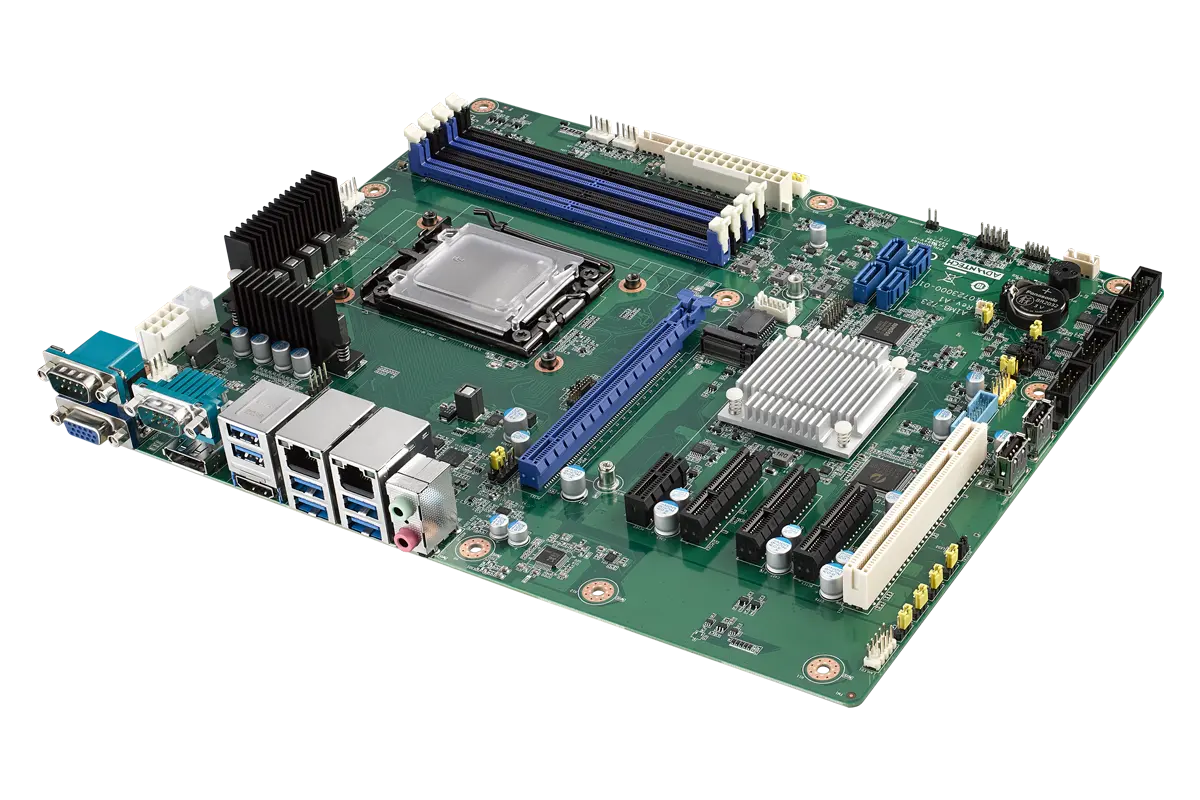
Over many years, the digital environment has been governed by two major models: the ARM and x86 models. Each system exhibits exclusive benefits, leading to a fierce competition for market share. While the traditional x86 platform, has long held the crown in PC and server domains, ARM's progress has been remarkably evident.
The power-consumption benefit of ARM, coupled with its resilience, has made it a popular choice for mobile devices and embedded systems. However, ARM is now endeavoring to conquer new arenas, including portable computers and computing centers. Such ambitions have unsettled the well-established x86 titans, who are answering by enhancing features to maintain dominance.
- Primary discrepancies in frameworks shape hardware behavior, power consumption, and overall system design.
- The emerging standards of purchasers are driving the demand for more efficient computing solutions.
In conclusion, the competition between ARM and x86 remains fluid and constantly changing, with both platforms continuously evolving to meet the demands of a rapidly changing world. The outcome of this race remains to be seen, but one thing is certain: the future of computing will be shaped by the innovations and advancements of these two titans.
Evaluating ARM and x86 Performance Differences
Amidst the persistently mutating tech scene, selecting the optimal processor architecture can be a tricky challenge. Two titans dominate the market: ARM and x86. Both offer compelling benefits, but their performance traits diverge significantly. This comprehensive analysis delves into the details of each architecture, empowering you to make an informed choice.
- Speed
- Energy Efficiency
- Budget
We'll analyze evaluation scores, real-world situations, and the advantages of each architecture, helping you determine which platform best suits your needs.
Why ARM is Winning Over x86 in Embedded Systems
ARM CPUs hold significant sway over the embedded technology sector. This growth stems from various crucial elements. First, ARM's design is naturally low-energy, making it ideal for devices with limited power budgets. Second, the ARM ecosystem boasts a vast and active community of developers and hardware partners, providing ample support and development. Finally, ARM's inclusive use scheme encourages specialization for specialized functions, leading to a wide range of products. These factors have combined to make ARM preferred for countless embedded devices, from smartphones to smartwatches and even industrial apparatus.
Leading x86 Single Board Solutions for Experts
Picking the optimal x86 single board system is complex, especially when you're a proficient user. You need a device that can perform robust functions, offer durable efficiency, and provide a platform for intensive projects.
- Countless components determine the superior SBC alternative, including processing power, RAM capacity, storage options, connectivity features, and community support.
- For committed technical users, a board with a powerful x86 processor like an Intel Core i5 or AMD Ryzen 5 is essential.
- Accompanied by adequate DRAM and accelerated storage call for smooth and efficient operation.
Resist the temptation of minimalistic SBCs; invest in a platform that can effectively boost your initiatives.
Complete Review of x86 SBC Technology
Delving into the world of affordable x86 SBCs can be both exciting and rewarding. These small computers supply a broad range of functions to users. From building smart houses to coding architectures, x86 SBCs provide a versatile, budget-conscious base for discovery. This guide will support competence in the evolving x86 SBC domain, unveiling the hidden potential within these remarkable devices.
- Uncover the evolution of x86 SBCs shaping the digital framework.
- Investigate prevailing x86 SBC units highlighting specs and intended clientele.
- Learn essential hardware components that comprise an x86 SBC system.
- Investigate application stacks and OS platforms supporting x86 SBCs.
- Showcase inventive solutions leveraging x86 SBCs across industry verticals.
Development of ARM Technology for Desktop Applications
Even though commonly identified with mobile electronics, ARM architecture is steadily making inroads across laptop hardware sectors. Several factors contribute to this movement, including the increasing demand for energy-efficient computing and the growing popularity of cloud-based applications. Brands such as Apple deploy ARM technology in their MacBook series, demonstrating the potential for high efficiency. This trend is further fueled by the development of new architectures specifically tailored for desktop workloads. As these innovations mature and become more widely available, we can expect to see ARM's presence advance greatly over next phases inside office device markets.
Determining Suitability of x86 versus ARM Architectures
While opting for a new device, two primary silicon blueprints appear: x86 and ARM. Both offer distinct strengths, making the decision a matter of fitting your needs with the right platform.
Classic x86 design benefits from tough performance plus expansive program collections It prevails in desktops, laptops, and workstations, particularly for demanding tasks like gaming or video modification. ARM, on the other hand, focuses energy efficiency and a compact design. This creates it ideal for mobile devices, embedded systems, and increasingly, data centers.
- Estimate your primary function goal: Are you a player? Do you need raw power or minimized energy consumption?
- Examine software running ability on various models. Not all applications are available on both platforms.
- Account for pricing and device access depending on CPU style.
Small-sized yet High-Performing ARM Single Board Units
Single board machine sector boomed with ARM platforms favored for adaptability and resourcefulness. These compact devices pack a surprising punch, offering incredible capabilities within a miniature footprint. For hobbyists, makers, and even professionals, ARM-based SBCs provide a economical platform for everything from learning about electronics to building fully functional solutions. Whether you're looking for a budget-friendly option or a high-performance powerhouse, there's an ARM-based SBC out there to meet your needs.
- Join us in investigating prominent choices in this growing industry!
Analyzing ARM and x86 Computation Tests
When pitting ARM against the long-standing x86 architecture in benchmark tests we observe some fascinating results. While x86 has traditionally led performance capacity, particularly for high-complexity functions, ARM architectures progressively align aims, especially in areas like mobile performance and energy efficiency. The recent surge in popularity of ARM-based silicon used on mobile and desktop hardware further fuels this clash. It's important to note that benchmark results can be controlled from assorted sources, including the specific model being tested, the software workload, and even the operating system. Therefore, it's crucial to consider statistics with insight beyond figures.
Is ARM Taking Over from x86 as Leading Architecture
The digital environment remains in flux, and one of the most exciting developments entail ARM's growing prominence. While x86 has long held sway the market, ARM's efficiency is gaining traction. This has led to talks that ARM conceivably outmatch x86 as the leading architecture.
- A growing number of elements power this movement: ARM's energy-conserving build is prized for portable devices, laptops, and cloud infrastructures.
- In addition, ARM's explorable patent system promotes advancement among developers, leading to a diverse selection of processors.
Still x86 upholds dominant industry status. Key players invest extensively in x86 progress, and long-standing installations stay usable indefinitely.
In conclusion it remains uncertain if ARM will completely overtake x86. The innovation trajectory rests on joint utilization of both models, with each acting effectively across multiple computing fields.
Forecast for ARM and x86 Collaboration in IT
Digital environments face continual development. Once distinct architectures, ARM and x86 are now on a collision course, converging to reshape the future of processing power. This convergence introduces transformative possibilities for developers and consumers alike. ARM's energy efficiency and compact design have made it the dominant force in mobile devices, while x86 has long reigned supreme in desktops and servers. However, there is a growing overlap, driven by factors such as the increasing demand for mobile computing and the rise of cloud services.
- This combination could yield multiple innovation forms, powered by hybrid architectures that leverage the strengths of both ARM and x86. This could result in improved mobile technology with greater battery duration and cost-effective server solutions.
- Likewise coders experience augmented tool arrays, enabling them to create innovative applications that push the boundaries. The future of computing holds great promise, with ARM and x86 convergence playing a pivotal role in shaping the next generation of technology.