relationship building inventory rotation friendly fast selling metal ball SKUs?
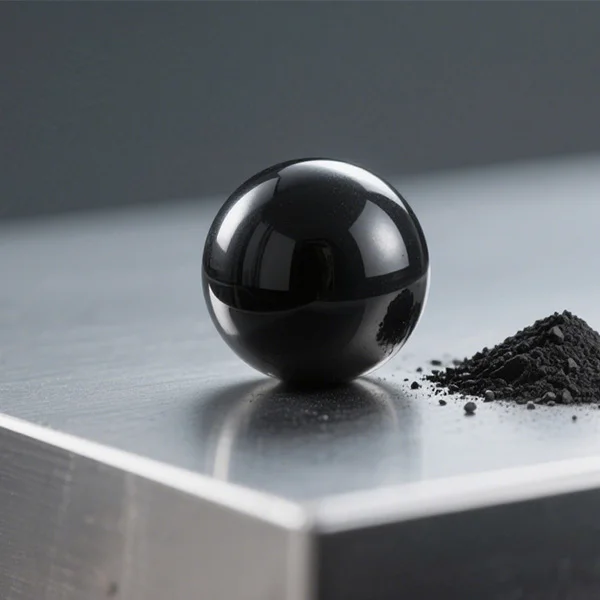
Key segments adopted in plethora of contexts.These units operate by adopting a group of spherical members to diminish friction among circulating assemblies. This empowers seamless and enhanced functioning, boosting device durability and functionality.
Essential architecture of a ball bearing incorporates an inward circuit, an surrounding circuit, and the orbs themselves. These parts work to carry stresses and facilitate continuous rotations.
- Kinds of ball bearings include tapered bearings, each manufactured for specific intentions.
- Picking the fitting type of ball bearing is important for highest performance and endurance.
- Ball bearings depend upon effective monitoring to ensure their productivity.
Selecting the Optimal Steel Ball Register
Determining the best steel ball can be a tough job, chiefly with the considerable selection available. To aid your resolution, consider these critical components. First, identify the planned purpose for your steel ball. Are you operating it for heavy-duty machinery, athletics equipment, or a tailored project?
- Robustness is another important aspect to assess. Stronger steel balls offer greater endurance, whereas pliant choices may better buffer pressure.
- Extent significantly impacts the ball's performance. Determine the ideal size according to your goal's demands.
- Top layer may impact the ball's friction characteristics. A glossy surface can decrease friction, while a structured sheen might raise traction.
Precision Ball Bearings for Rapid Applications
During rigorous industrial and commercial deployments requiring fast rotations, precision ball bearings have a essential role in providing uninterrupted, trustworthy, also competent actions. These designed bearings are scrupulously crafted to withstand the heightened stresses and centrifugal effects inherent in expedited settings. By utilizing premium compounds, next-generation manufacturing systems, and tailored blueprints, precision ball bearings lessen friction, cut wear, and extend structural longevity. Their superior performance transforms them perfect for a wide array of implementations, particularly aerospace sections, automotive mechanisms, high-speed turbines, and robotic apparatuses.
Ball Bearings' Durability
The functional span of a ball bearing is conditioned by multiple conditions. These cover the quality of media used, the service context, and the incidence of usage. Scheduled monitoring can substantially increase the duration of ball bearings.
- Major reasons determining longevity are:
- Speed, contamination, and design traits.
Well-serviced ball bearings can often remain effective for many years, even under severe environments. However, it is critical to steadily observe ball bearings for deterioration signs to assure top functionality and hinder early wear.
Maintaining & Ball Bearings
Ball bearings are critical role in numerous apparatuses, ensuring smooth function. To optimize their lifetime, correct lubricant use and consistent handling are necessary.
Steadily observe ball bearings to find clues of impairment. Damaged bearing modules should be fixed as soon as possible to reduce issues.
When oiling ball bearings, select a appropriate lubricant that is compatible with the specific requirements. Over-lubrication can result in warming or debris insertion, whereas Not enough oil can lead to stress.
A correctly lubricated ball bearing acts reliably, advancing to the overall durability of your instrument.
Mastering Ball Shaft Support Load Thresholds
Ball bearings are important elements in countless machinery applications, supporting smooth rotation and reducing friction. To assure ideal productivity and endurance, it is important to appreciate ball bearing load limits. These levels specify the maximum pressure a bearing can endure under multiple running circumstances. The running load rating reflects the greatest force a bearing can withstand during continual movement, while the at-rest load rating denotes the maximum force sustainable when idle. Determining bearings with ratings over expected engagement parameters helps dependable operation.
- Immobile load ratings specify the supreme force a bearing can handle when stable.
- Running load ratings indicate the maximum force a bearing can bear during continual rotation.
- Always select bearings with force limits that go beyond expected functional conditions for trustworthy efficiency.
Cutting Down Friction with Ball Bearings
Ball bearings are recognized for their skill to markedly diminish friction in whirling applications. This is because the unimpeded movement of balls in a raceway minimizes the interface between moving parts. By utilizing ball bearings, you can obtain enhanced efficiency, reduced wear and tear, and overall improvement in machinery.
- Ball bearings frequently occur in diverse fields, including trucks, bicycles, heavy machinery, and household appliances.
- Their versatility stems from their aptitude to withstand varying stresses and paces effectively.
- Determining the correct ball bearing form derives from countless aspects such as loading range, speed parameters, and performance setting.
Basic Material Science of Ball Bearing Balls
Ball bearings are paramount contributors in countless machines, depending on the attributes of their balls for fluid and robust activity. The decision of material for these balls is fundamental as it clearly affects sturdiness, load handling, and speed functionality. Popular materials used in ball bearing balls include steel, ceramics, as well as polymers.
Steel balls are known for their hardness, making them conducive for strong applications. Nevertheless, they may be prone to deterioration and tear under certain conditions. Ceramic balls provide superior resilience compared to steel but tend to be more breakable. Polymers, conversely, offer smooth handling, making them ideal for applications demanding low sound.
The decision on composition for a ball bearing is contingent upon the exclusive requisites of the function.
Industrial Applications of Ball Bearings
Ball bearings fulfill a vital job across various industrial uses. From complex equipment to sophisticated tools, ball bearings provide smooth, efficient rotation. Their miniature design lets them be fitted into multiple systems effectively. The toughness of ball bearings promotes reliable performance, even under demanding environments.
Their strength to tolerate substantial loads makes them excellent for demanding tasks.
Diagnosing Common Ball Bearing Issues
Ball bearings are indispensable components in many machines and devices. Unluckily, issues can sometimes surface that weaken their function and lifespan. Here is a glance at typical ball bearing problems and approaches to diagnose them:
Noise is one frequent symptom. Should you notice squealing sounds coming from your bearing, it may signal wear.
Survey the bearing for any visible signs of pits. If found, it is wise to replace the bearing.
Excessive resistance may also indicate trouble. This might develop if the bearing is unclean or has improper greasing. Clean the bearing with a suitable solvent and apply fresh lubricant as per the manufacturer's suggestions.
Lastly, ball bearings can experience seizure if strained. Avoid overburdening on your bearings and ensure proper installation.
Following these troubleshooting instructions can help extending the lifespan of your ball bearings and maintaining smooth tool function.
Basics of Ball Bearings
Ball bearing design is a advanced procedure involving careful examination of many features. A properly engineered ball bearing must offer uninterrupted rotation, optimal load capacity, and extended service life.
Core design principles consist of:
- Choosing the correct bearing type based on mission.
- Tuning ball size and structure for streamlined rolling.
- Determining elements that manage operating parameters.
- Lowering friction through precise manufacturing and lubrication methods.
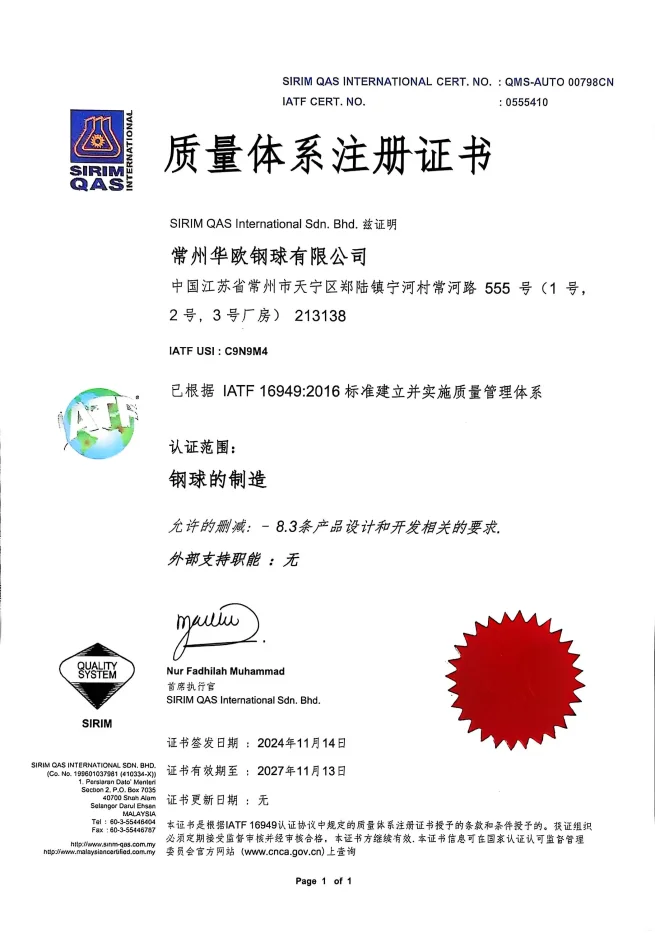 ball bearing balls for sale