How can TCM Herbal Medicine help balance mood swings and irritability?
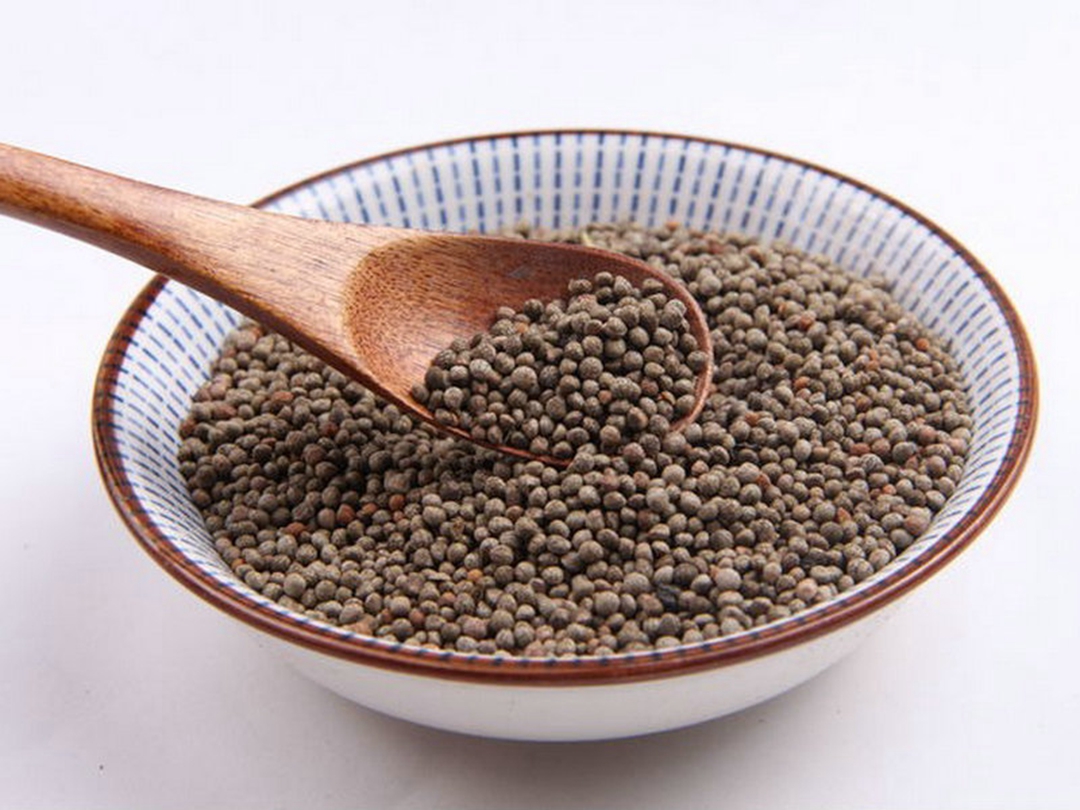
Setting out on a voyage among Heritage plant-based remedy shows a universe of balance and deep insight.
Applying wide-ranging leafy bits such as roots, foliage, blossoms, pips, and even earth materials, combats the original causes of sickness while enhancing ongoing strength. Engaging a credentialed consultant is beneficial before introducing any vegetal regimen.
The energy of customary knowledge: revealing archaic Ancient recovering flora
For epochs, ancient Heritage therapy has depended on a vast and detailed perception of the botanical sphere, particularly its remarkable range of flora. This age-old custom, passed down through ancestral lines, leverages these effective components – like ginseng, astragalus, and turmeric – to rejuvenate the body’s vital life force, known as Qi. The concept behind their deployment isn’t simply about curing expressions; it’s a integrative approach aimed at addressing the essential basis of disease, working with the body’s native ability to regenerate. Many modern analysts are now initiating to explore and corroborate these time-honored Chinese formulas finding confirmation underpinning their capability, showing the lasting capacity and significant cognition encompassed by this time-honored regime of healing intervention.
Eastern Natural Medicines: Pros, Utilizations, and Security Concerns
For eras, Classical therapies have used a large-scale assortment of natural remedies for controlling various maladies. These plant-based therapies, sourced from diverse domains, are claimed to re-establish equilibrium within the anatomy. Common purposes extend to aiding defensive capacity, easing irritation, and augmenting digestive health.
- Frequently they be given in specific blends customized to the individual's singular state.
- Commonly selected herbs like ginseng, ginger, turmeric, and astragalus yield several potential benefits.
- Although typically regarded as, Chinese medicinal herbs are sometimes harmful.
Ancient Chinese Herbal Medicine: The Process It Works & Various Conditions It Treats
East Asian medicinal practice herbalism is a elaborate system of healing system that’s been practiced for legion years. Rather than curing singular effects, TCM interprets the body as an overall body and targets to recreate balance to its vital spirit, or "Qi" (pronounced “chee”). Natural compounds are skillfully mixed by competent professionals who inspect a patient’s specific makeup of deficiencies – noting factors like vascular check, mouth examination, and general wellness account. The herbs themselves aren’t seen as simply addressing a ailment; instead, they work to address the principal driver through a range of tactics, including optimizing system functions, easing sluggishness, and fortifying weaknesses.
- Tonifies Qi
- Manages intrinsic organs
- Removes stagnant energy
Uncovering Traditional Chinese Plant-Based Cures for Maximum Strength
For centuries, Traditional Chinese Medicine (TCM) has exploited a large grouping of herbs to boost robustness. These herbal therapies, thoughtfully selected and united, offer a holistic approach to managing the underlying issues of unevenness within the body. Investigating these robust botanicals—like ginseng, astragalus, or goji berries—can be a rewarding venture toward acquiring optimal health and upholding your bodily harmony. Many participants are now seeking out this venerable wisdom to upgrade modern clinical procedures and undergo the profound benefits these herbs can impart. It’s vital to speak with a experienced therapist before engaging in any new natural therapy.
This Exhaustive Investigation into Widely Used Chinese Organic Remedies
For ages, Chinese treatment has exploited a large assortment of natural herbs, and many remain greatly popular today. Panax Ginseng is perhaps the most well-known, believed to amplify energy levels and overall vitality. Then there’s Tumeric root, increasingly celebrated for its potent inflammation-fighting abilities, often combined with dark spice to boost absorption. Astragalus membranaceus root, another significant herb, is thought to strengthen the immune system and support healthy lung function, while Wolfberries are valued for their oxidative protection and contribution to eye health. These are just a few examples of the influential plants used in this ancient discipline – each with its own unique chronicle and applications.
Connecting Chinese Herbalism with Contemporary Treatment
The expanding interest in alternative approaches to fitness has fueled a major exploration of uniting Chinese phytotherapy with traditional healthcare. This progressing field endeavors to capitalize on the special strengths of both systems, potentially advancing patient outcomes for a expansive selection of disorders. Experts are increasingly researching ways to responsibly incorporate these traditional practices, often alongside standard medical treatments, while respecting the importance of fact-checked protocols and patient safety.
Acknowledging the Key Ideas Behind TCM Herbal Compounds
Probing Traditional Chinese Medicine’s (TCM) herbal techniques discloses a fascinating system far beyond simply fusing herbal medicines. The starting point of TCM formulation lies in recognizing the intricate connection between yin and yang, the Five Elements (branch, fire, earth, metal, water), and the patient’s exclusive makeup. Each herb possesses singular properties – its activity type (warming, cooling, moistening, drying), taste trait (sweet, sour, bitter, spicy, Chinese Herbal Medicine Benefits salty), and meridian alignment – which determine how it affects the body. Master herbalists carefully consider these factors to assemble a integrated formula; one where herbs cooperate to resolve the basic origin of an condition rather than merely reducing indicators.
- Energy Harmony: Compounds pursue a well-matched blend, often coupling warming and cooling herbs or moistening and drying ones.
- Elemental Model: This directs the curation of herbs to control disorders within this recurrent model – for instance, using fire-element herbs to support earth-element deficiencies.
- Patient Specificity: A individual issue (like a headache) may be managed by completely different herb sets depending on the patient’s basic constitution (heightened temperature, deficiency cold, etc.).
The Science Combines With Tradition: Research on Oriental Medicinal Green Medicines
For periods, classic Chinese medicine has employed a extensive set of green cures to handle various maladies. Now, modern science is starting to investigate these practices, leveraging sophisticated techniques to endorse the utility and translate the processes behind them. Analysts are analyzing the compound structures of these herbs, scrutinizing their impact on cell-level interactions, and seeking to identify active ingredients that can be further developed into progressive cures. This merging point of wisdom from foregone practices and modern empirical inquiry promises to unearth a deeper appreciation for the capacity of Chinese medicine while also facilitating wise and clinically proven approaches to its application.