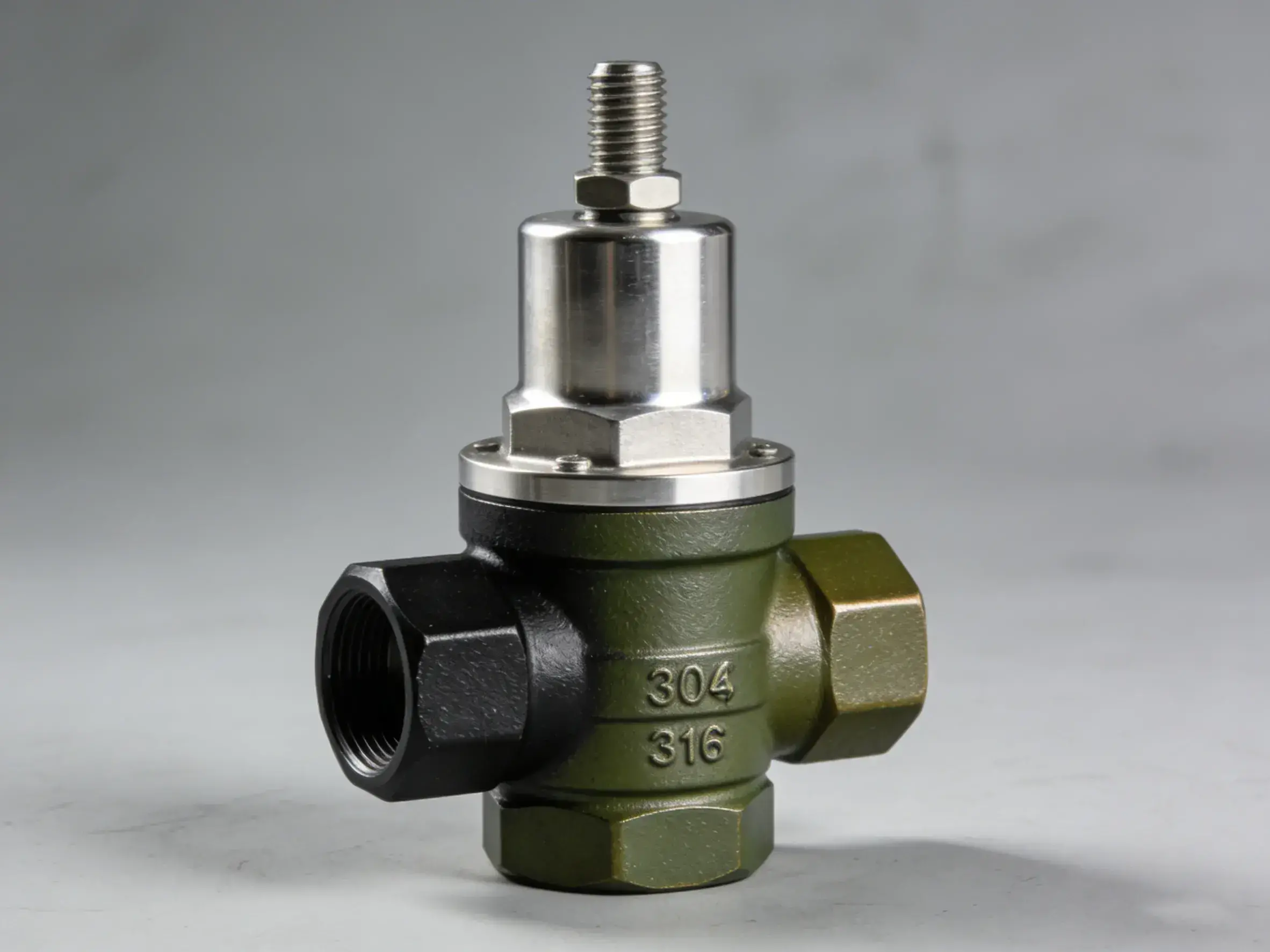
high demand strategic alliance global valve lines?
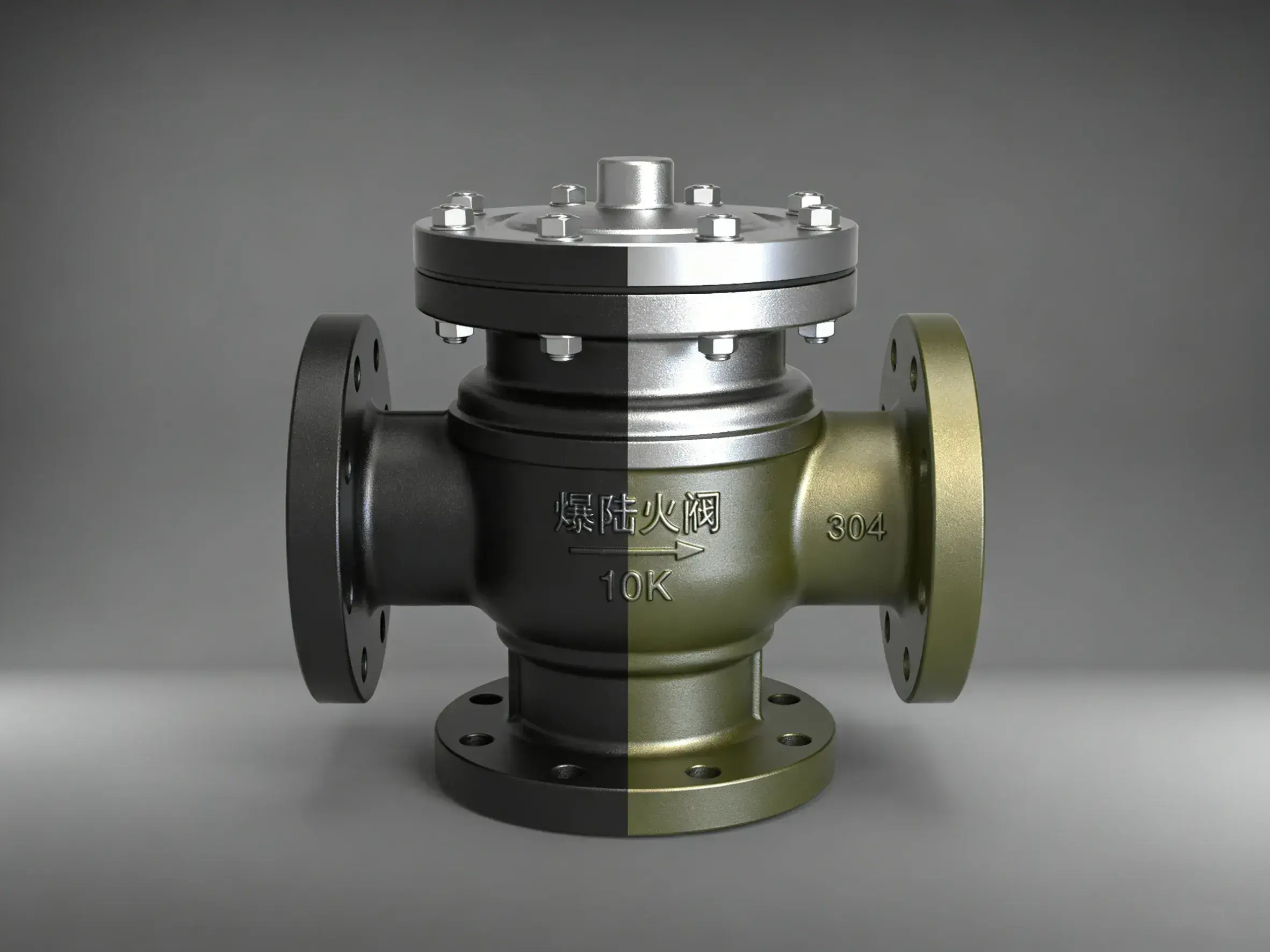
Vital industrial valve determination boosts system operation and comprehensive system output. For guaranteed top performance, you should conscientiously choose valves that fit application demands.
A detailed valve selection manual must evaluate a variety of criteria such as liquid kind, pressure force, heat levels, flow capacity, and control demands. As well, establishing the needed valve operation model such as pneumatic, hydraulic, or electric is crucial.
Detailed Evaluation of Butterfly Valve Operation
Assessing the best functionality standards for butterfly valves is essential for engineers targeting robust and efficient system management. This analysis delves into the critical factors influencing butterfly valve performance, encompassing material properties, operating conditions, and performance testing methodologies. Using exhaustive scrutiny of these attributes, the study strives to give detailed grasp of contributors to butterfly valve efficiency.
- Construction features decisively dictate full functionality
- Fabrication materials of valve housing markedly govern robustness during assorted functioning circumstances
- Pressure drop is a key consideration when evaluating butterfly valve performance, especially in applications requiring high flow rates
Utilizing Ball Valves in High-Pressure Environments
Ball valves demonstrate as steady alternatives for operating extreme pressure uses. Their minimalist model contains a rotund ball with a channel that pivots to supervise the flow of liquids. This configuration skillfully confronts increased pressure situations through its strong locking.
Across domains like fuel extraction, ball valves undertake a crucial position in overseeing substantial pressure conduits. Their durability makes them ideal for withstanding the stress of high-pressure fluids.
- What’s more, ball valves possess brisk functioning, permitting instant fluid adjustment.
- Presented in multiple constituents and scales, ball valves modify to accommodate specific requirements of various raised pressure operations.
Identifying Various Valve Varieties and Their Capacities
Within fluid mechanics, valves serve an essential duty in regulating liquid or gas movement. Picking the correct valve kind is vital to secure peak performance. Valves classify in line with their functional operation, design framework, and operational context. Common valve types include gate valves, globe valves, check valves, ball valves, and butterfly valves. Every variant displays distinct features, rendering them appropriate for particular uses. For illustration, gate valves control flux entirely, while globe valves ensure accurate modulation of amount. Check valves stop undesirable return flow, securing single-direction transit. Ball valves deliver rapid and consistent on/off switching, whereas butterfly valves serve effectively in large volume operations.
Enhancing Fluid Regulation via Industrial Valves
Flow control is a critical aspect of numerous industrial processes. Valve structures govern essential activities controlling liquid and gaseous movements through systems. Employing suited valve categories along with effective control tactics allows producers to enhance operational productivity, security, and output excellence.
An essential subject in developing flow operation includes understanding numerous valve roles. Varied valve patterns correlate with specialized flux properties, burden scopes, and deployment surroundings. Such as globe valves frequently serve for modulating flow, and ball valves succeed in full closure roles.
Sustaining precise fluid regulation calls for reviewing items like valve sizing, motion methods, and control designs. Leveraging cutting-edge control solutions including PLCs permits robotic flow surveillance and adjustment, advancing process efficiency.
Regular maintenance of industrial valves is crucial to prevent failures and maintain optimal flow control. Spotting likely difficulties timely can diminish pricey outages and confirm flawless workflow of pivotal activities.
Preservation Procedures for Production Valves
Ongoing repair of manufacturing valve units is indispensable for enabling continuous and steady operation in various plants. A well-structured schedule should be implemented, encompassing regular inspections to identify potential issues before they escalate into major failures. Oiling of valve parts in line with producer guidelines notably prolongs operational lifespan and decreases wear. Furthermore, it's important to keep valves clean by removing any debris that may impede proper functioning.
An all-encompassing upkeep plan must incorporate logging of every procedure related to valves, covering timelines, staff participants, and component substitutions. This meticulous record-keeping helps track valve performance over time and facilitates informed decision-making regarding future maintenance needs.
Effect of Automation on Valve Performance
The introduction of automation has altered how valves perform within multiple fields. Utilizing automated controls allows operators to optimize valve management, reducing human involvement and boosting process efficacy. Programmed valve control contributes several advantages like enhanced precision, decreased breakdowns, and improved safety measures
- Analytics devices serve key functions within automated valve networks, reporting immediate details regarding valve alignment. Processing units receive this data to autonomously adjust valve operations
- DCS frameworks frequently serve to oversee automated valve processes, enabling advanced regulation methods. Such frameworks supervise valve functioning, pinpoint faults, and perform adjustment operations
In addition, computerized valve control supports refined operational monitoring. Accruing valve performance signals assists supervisors in gathering precious cognition to advance system efficiency and lessen overhead
Vital Safety Aspects in Valve Installation
Amidst assembling valves within operations, detailed safety precautions become imperative. Skipping safety policies provokes serious emergencies, possibly resulting in equipment harm and chiefly personnel casualties. A vigilant peril inspection must be arranged before mounting to uncover hazards and integrate applicable management measures.
Ensure that all personnel involved in the installation process are adequately trained and certified in handling industrial valves and adhering safety guidelines. Organize a reliable method of inspection cycles purposed to identify defects or decline in valve components. Retain complete paperwork covering all installation, evaluation, and servicing efforts to support long-term management
- Comply relevant industry standards and regulations governing valve installation and operation
- Deploy proper gear and hardware intended for production valve placement
- Communicate effectively with all stakeholders involved in the project to ensure a safe and efficient installation process
Valves: Indispensable Units for Industrial Processes
Across the sophisticated segment of fabrication/processing/manufacturing frameworks, valves become fundamental pieces. They function to control fluid movement through intricate networks, maintaining effective operation and security. Valves integrate broadly into numerous operations, involving handling of heat and pressure as well as transporting commodities
- Various valve groups emerge, each tailored to accomplish selected missions. Familiar samples feature gate, ball, and globe types
- The selection of the appropriate valve depends on factors such as flow rate, pressure, temperature, and the type of fluid being handled
- Dependable valve operations remain critical in manufacturing contexts to avoid interruptions and guarantee output standards
Frequent evaluation of valves is crucial for enhancing durability and avoiding prospective malfunctions
High-Tech Materials in Valve Creation and Building
The modernization of valve fabrication and development directly results from systematic integration of modern substances. These state-of-the-art substances yield an array of enhanced properties behind ordinary options, enabling designers to produce more proficient valves. Typical examples include solid ceramic compositions used for hardness amid demanding surroundings, combined with lightweight metal alloys enhancing output while decreasing heaviness. The employment of pioneering substances contributes to valves having superior sealing features, prolonged life cycle, and heightened protection from corrosion
Valve Operation Systems: A Comparative Analysis
{This investigation delves into the diverse valve actuation mechanisms prevalent in modern engineering applications|This exploration examines the varied valve drive technologies common in contemporary engineering uses|The study analyzes the mixed valve triggering systems typical in current engineering projects|This research evaluates the assorted valve motion methods widespread Globe Valves in advanced engineering scenarios|The survey inspects the multiple valve control techniques existing in up-to-date engineering solutions|This review considers the assorted valve operating mechanisms encountered in present-day engineering environments|This analysis explores the various valve activation systems found in progressive engineering implementations|The inquiry scrutinizes the heterogeneous valve act