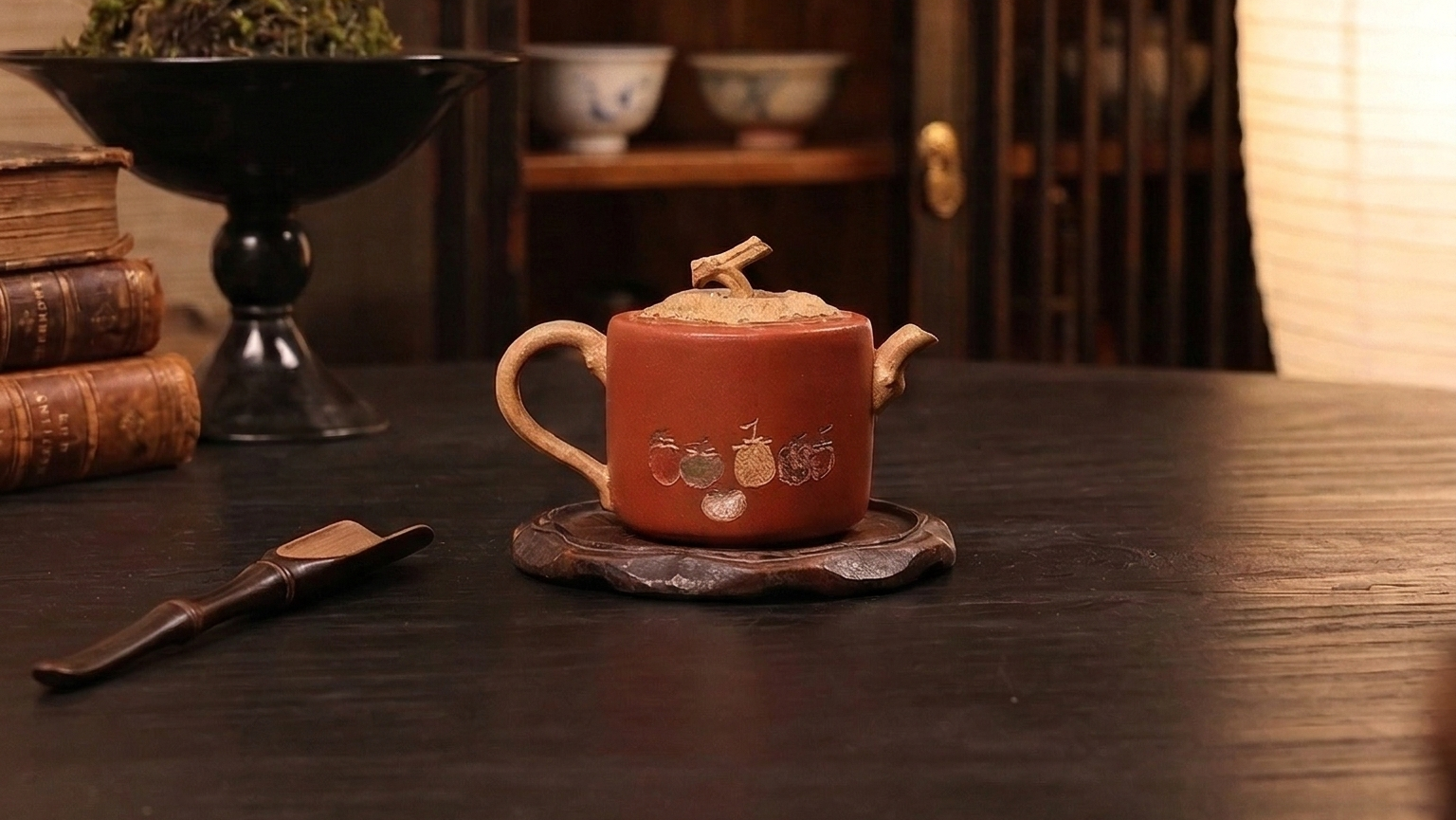
ceremonial ambience purple mud Chinese tea pot?
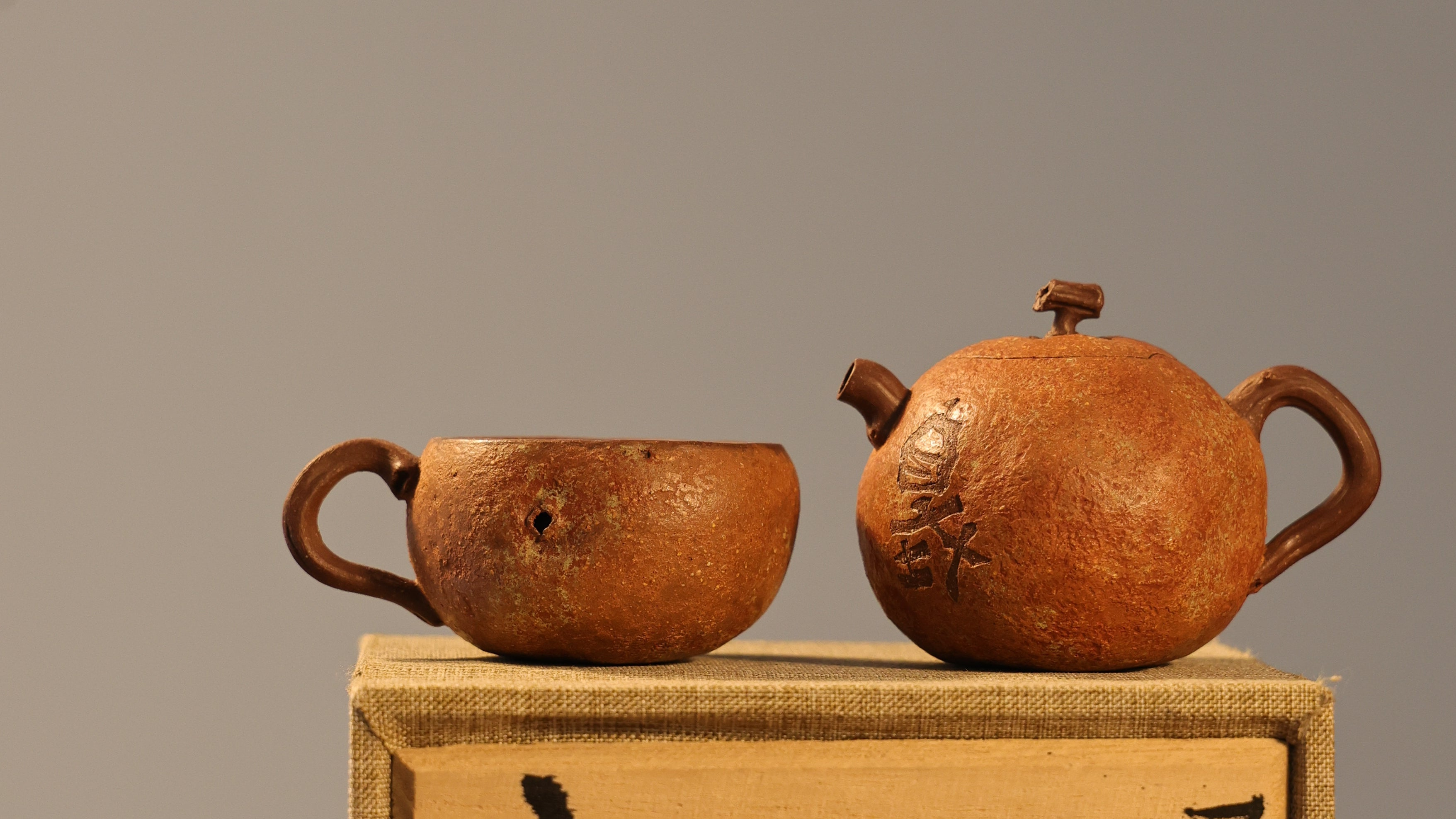
Beginning your detailed exploration about Issing Tzu-sha ceramic vessels delivers this engaging union of know-how plus utility.
Ihsing 紫砂 ceramic vessels enjoy one exceptional charm among collectors around the planet. The extraordinary ceramic pots, sourced from the specific Yixing location close to Jiangsu administration, China, stand as more than just brewing instruments; they function as works artistic beauty and historical significance. Distinct finely sorted clay, known referred to as Zisha, imparts a delicate flavor upon the tea, and the fancy designs, often casting traditional Chinese elements, enhance their inherent value. Possessing a genuine Yixing Zisha teapot presents a gratifying journey, demanding careful inspection and an awareness of the diverse factors influencing their specialness.
Investigating Yixing Vessels
Yixing pottery vessels boast a deep history deeply interwoven with Chinese civilization. Originating in Yixing, Jiangsu territory, these pots are crafted from a unique, porous purple earth found only in that particular location. Their origins began during the Ming era, with master sculptors refining the approaches over centuries. Diverse types are available, including the classic Hexiang (resembling crab shells), Zhuni (red-brown hue), and Duan Ni (stone-studded) – each with distinctive attributes. The importance of an Yixing teapot isn't solely based on its size or design, but also on the artist’s reputation, the substance's quality, and the vessel’s age and condition. Purple Clay Teapot Collectors often seek out older examples, believing they accumulate the flavor of the drink brewed within them over time, further adding to their prestige.- Vintage Pots
- Coppery Pots
- Granite-Dusted Teapots
Zisha Teapot Mastery: Handiwork & Methods
An creation of Zisha teapots represents a summit of Chinese ceramic technique. Experienced artisans employ classic techniques, often passed down through families, to unlock the full essence of this unique clay. Strategies involve meticulous forming by hand, often combined with the looping method, followed by precise firing at incredibly extreme temperatures in wood-fired kilns. Detailing is equally crucial; potters utilize organic clay colors and may incorporate modeling work to depict intricate scenes or patterns, demonstrating a profound knowledge of the material’s features and energy. The final teapot isn't merely a vessel for tea, but a testament to a profound cultural history.
Classical Ceramics: This Outline to 宜兴 Tz'u Sha
Examining the world of Classical teapots frequently leads with Yixing Zisha. These singular clay brewing tools are crafted from a unique type of clay extracted only in the Yixing region of the Jiangsu area province. Distinguished for its singular reddish-purple hue and exceptional properties, Zisha clay offers a soft flavor to the elixir and refines with age, evolving into a cherished collectible. Acquiring Yixing Zisha clayware is more than just retaining a gorgeous object; it’s a salute of ancestry and artistry.
Exploring the Clayware: Realness & Increase
Exploring the domain of Yixing Zisha ceramics can be utterly worthwhile, but involves a discerning insight. Sincerity is indispensable; multiple counterfeits are found, commonly expertly manufactured. Informing oneself about time-honored heating processes, characteristic mud qualities, and the markings of acclaimed fabricators is entirely fundamental. Besides, comprehending the details of the value swing – influenced by circumstances such as heritage weight and the state of the piece – is fundamental to fruitful collection.
- Investigating roasting lineage.
- Hiring experts for substantiation.
- Judging commerce dynamics.
That Discipline of Making with a Zisha Container
A unique allure of a Zisha apparatus lies not just in its lovely appearance, but also in its significant impact on the character of the brew. These antique clay earthen vessels, sourced from special regions of China, possess a organic porosity that subtly interacts with the moisture and leaves, imbuing the beverage with a delicate character. Mastering the skill requires a attentive approach, understanding how the substance responds to distinct temperatures and botanical types, ultimately leading to a genuinely rewarding imbibing ritual.
Sustaining One's Relic
Proper handling of your Yixing teapot is important to preserving its usefulness. These unique teapots, crafted from special Yixing clay, develop a texture over intervals that boosts their esteem. Consistently rinse the inside part with plain water, avoiding soap-based cleaners, and never use abrasive scrubbing tools. Sporadic gentle cleaning with a light cloth can enable in preventing smudges. Allow your pot to wholly dry subsequent each session
Demystifying Stoneware: How The Pottery Represent Singular
The prominent appeal of Yixing teapots lies within the characteristic properties of Stoneware clay, located solely near Yixing, the Yixing district. This favorable clay, consisting of ferruginous ceramic , holds a atypical combination of components that, as time passes, incorporate the note of the tea it steeps. This brings about a exceptional bouquet for each kettle, giving it a significance far transcending its baseline price and assisting to their sought-after status among tea enthusiasts.
Identifying the Right Traditional Carafe: A Pottery Guide
Venturing into the world of Zisha clay teapots can feel daunting, but understanding the fundamentals is important to picking a valued piece. That kind of clay, sourced principally from the Yixing vicinity, Jiangsu, is renowned for its unique porosity and ability to improve the flavor of the tea over time. Consider the shape, the color, and the presentation; a valid Zisha teapot is more than just a canister; it's a finely crafted object and a example of classic culture. View the etching of the craftswoman for clues to its background and potential significance.