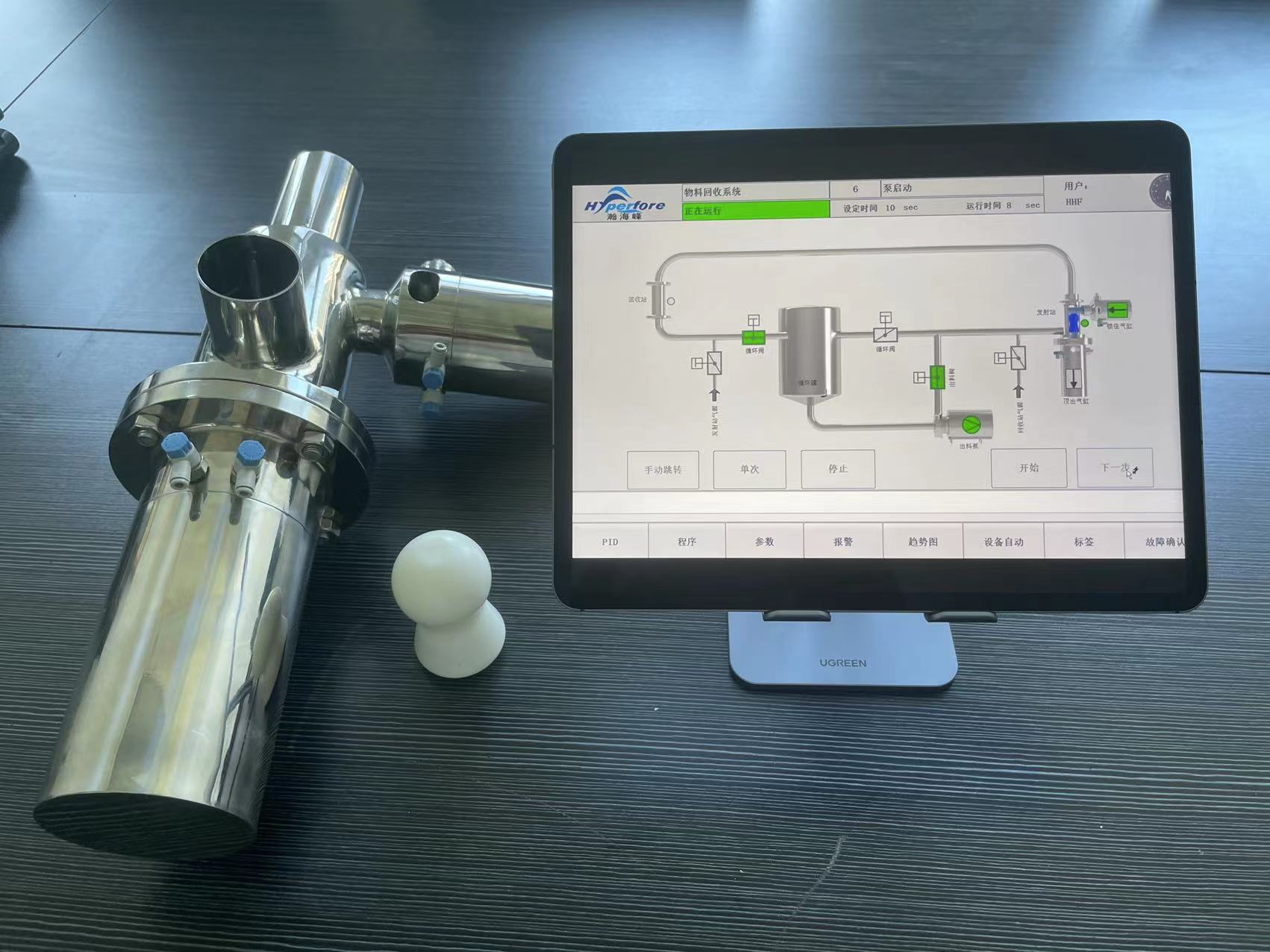
cashflow supporting abrasion tolerant pigging systems for dense slurries?
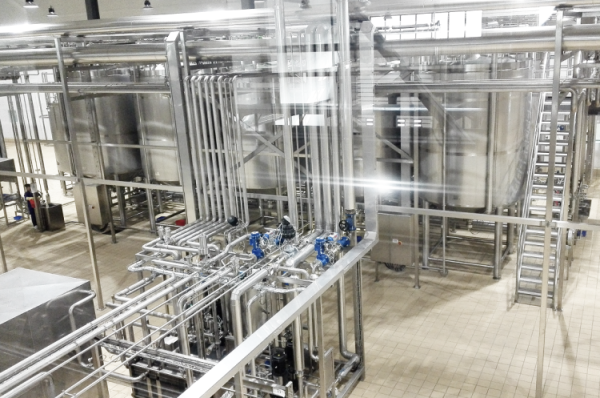
Initiating Progressive Fluid Transfer Technologies pigging systems pet food
Food-Grade Pigging Practices
Utilizing food-compliant cleaning devices upholds high-quality spotlessness together with food contamination prevention. Such solutions utilize corrosion-resistant alloys designed for withstanding rigorous cleaning procedures throughout restricting unwanted organism presence.
- Advanced engineering incorporate precision cleaning protocols, increasing system reliability.
- Adherence to industry protocols required for all food-grade cleaning procedure utilized in gourmet food handling. Technologies are developed to comply with stringent guidelines, supporting the ultimate product safety.
Advancing Fluid Transfer Improvements through Pigging
Pipeline maintenance pigging tools offers a dominant approach for raising pipeline throughput. By using intelligent pig placement and strategic evaluation timetables, maintenance staff can limit operational pauses, boost stream velocities, and ensure network health. Pigging exposes potential problems such as barriers or decay but also facilitates efficient servicing and review techniques. This planned line operation considerably cuts financial outlay and contributes to the complete trustworthiness of pipeline framework.
Pigging Systems in Pet Food Manufacturing: Ensuring Quality and Safety
Pig-based cleaning methods have become fundamental components within the pet aliment industry industry. These systems simplify the safe and efficient shipment of feedstocks through pipelines, minimizing mixing hazards. By thoroughly dividing different constituents or delivery groups, pigging systems contribute guarantee the highest levels of grade and well-being in pet food production.
As well, pigging systems equip a set of benefits, consisting of reduced downtime for sterilization and care, improved line output, and scant raw material leak. The use of pigging systems in the end backs the production of risk-free, healthful, and dependable pet food.
The Importance of Sanitary Design in Pigging Systems for Pet Food
Throughout the scope of the processing of pet food, preserving foreground hygiene is essential. Pigging systems hold key importance in assuring product quality and safety by consistently scrubbing pipelines between handling stages. A well-designed pigging system features elements that avert infection possibilities, support optimized disinfection routines, and prevent quality compromises between batches.
- Installing sleek layers lessens the potential for microbial colonization.
- Constituents that are washable and chemical-resistant are imperative for guaranteeing hygiene.
- Effective seals halts the return flow of pollutants during purging and substance flow.
Hygienic pigging frameworks also elevate workflow effectiveness by lessening downtime for sterilization. By effectively taking away residues and preventing cross-contamination, these systems add to a more reliable production process, clearly leading to the creation of trusted and top-notch pet food.
Pipeline Maintenance with Pigs
Protecting the soundness of tubes is essential for protected and efficient flow of inputs. Pigging systems provide a value-driven solution to sanitizing pipelines. A pig, also recognized as a pipeline device, operates as a engineered device driven through the pipeline to accomplish various actions. Cleaning pigs remove buildup and contaminants, while inspection pigs are armed with apparatus to detect deficiencies in the pipe walls. Regular pigging helps mitigate pipeline halt, guaranteeing safe and reliable functioning.
- Diverse types of pigs exist, each specialized for specific functions.
- Pigging operations are successful and can be carried out with minimal disruption.
- Applying a pigging program can enhance the functional period of pipelines and reduce maintenance costs.
Sophisticated Cleaning Technologies for Pet Food Processing
Pigging is viewed as a crucial method in the pet food industry, maintaining efficient and sanitary production.
Innovative pigging technologies exploit sophisticated technology to accurately clean pipelines. This reduces the risk of ingredient adulteration between different pet food compositions, thereby upgrading product safety and quality.
What's more, advanced pigging apparatuses offer a range of benefits such as: * Refined cleaning and upkeep approaches * Reduction in downtime and production disruptions * Enhanced sanitation levels * Minimized usage of harmful substances
The integration of these technologies emphasizes the pet food industry's commitment to maintaining safe and top-tier manufacturing for clients.
Difficulties and Fixes in Pigging Systems for Pet Food Production
Cleaning pig setups are essential in the pet food production process, maintaining efficient movement of ingredients and finished products. However, these systems undergo varied challenges. One usual difficulty is blockages caused by product clumping. Combating this drawback involves applying pigging strategies such as adjustable instruments and enhancing ingredient recipes.
Another challenge is the likelihood of contamination. Limit this, strict cleanliness protocols must be upheld throughout the pigging system. This involves regular disinfection of pigging instruments and employment of reliable cleaning mixtures. Regular evaluations are also important to uncover potential difficulties early on. By adopting these solutions, pet food manufacturers can protect the efficiency and reliability of their pigging systems.
Perks of Pigging Applications in Pet Food
Pipeline pigging tools offer a variety of gains for pet food manufacturers looking to increase their production processes. These systems employ force-led pressure for the purpose of propel specific pig, a cleaning device, through the pipeline, successfully removing product residue and contaminants. Ultimately, pigging systems support to elevated hygiene standards, cutting down the risk of cross-contamination and safeguarding a safer final product for animals.
- Besides, pigging systems can elevate production efficiency by curtailing downtime for cleaning and maintenance.
- Furthermore, they facilitate to reduce waste by blocking product loss during pipeline cleaning.
- In conclusion, pigging systems can be adapted to fit the specific requirements of different pet food production lines.
Proven Outcomes of Pigging in Pet Food Plants
Pet chow market is rising in need of efficient and sanitary systems for maintaining optimal product quality. Pigging systems have risen as a dominant solution to meet these demands, offering a reliable method for cleaning and maintaining pipelines within pet food plants.
A variety of case studies highlight the success of implementing pigging systems in various levels of pet food production.
- Producers like [Company A], [Company B], and [Company C] have reported significant improvements in sanitation, product consistency, and overall operational effectiveness following the adoption of pigging systems.
- Rewards such as reduced downtime for cleaning, minimized cross-contamination risks, and improved visibility of product flow have been confirmed in these case studies.
What's more, pigging systems contribute to resource reduction by improving resource utilization and minimizing waste generation.
Identifying the Right Pigging System for Your Pet Food Pipeline
In terms of securing the integrity standards of your pet food pipeline, a effective pigging system is vital. Pigging systems improve efficiency by extracting product residue and controlling cross-contamination between batches. Selecting the relevant system depends on a variety of requirements, including your production, ingredient characteristics, and present infrastructure.
- Review the width of your conduits to ensure a matching pig design.
- Evaluate the fluidity of your pet food products to pick the appropriate pig material and frequency of operation.
- Promote systems that embrace features like controlled launching and retrieval for heightened user safety.