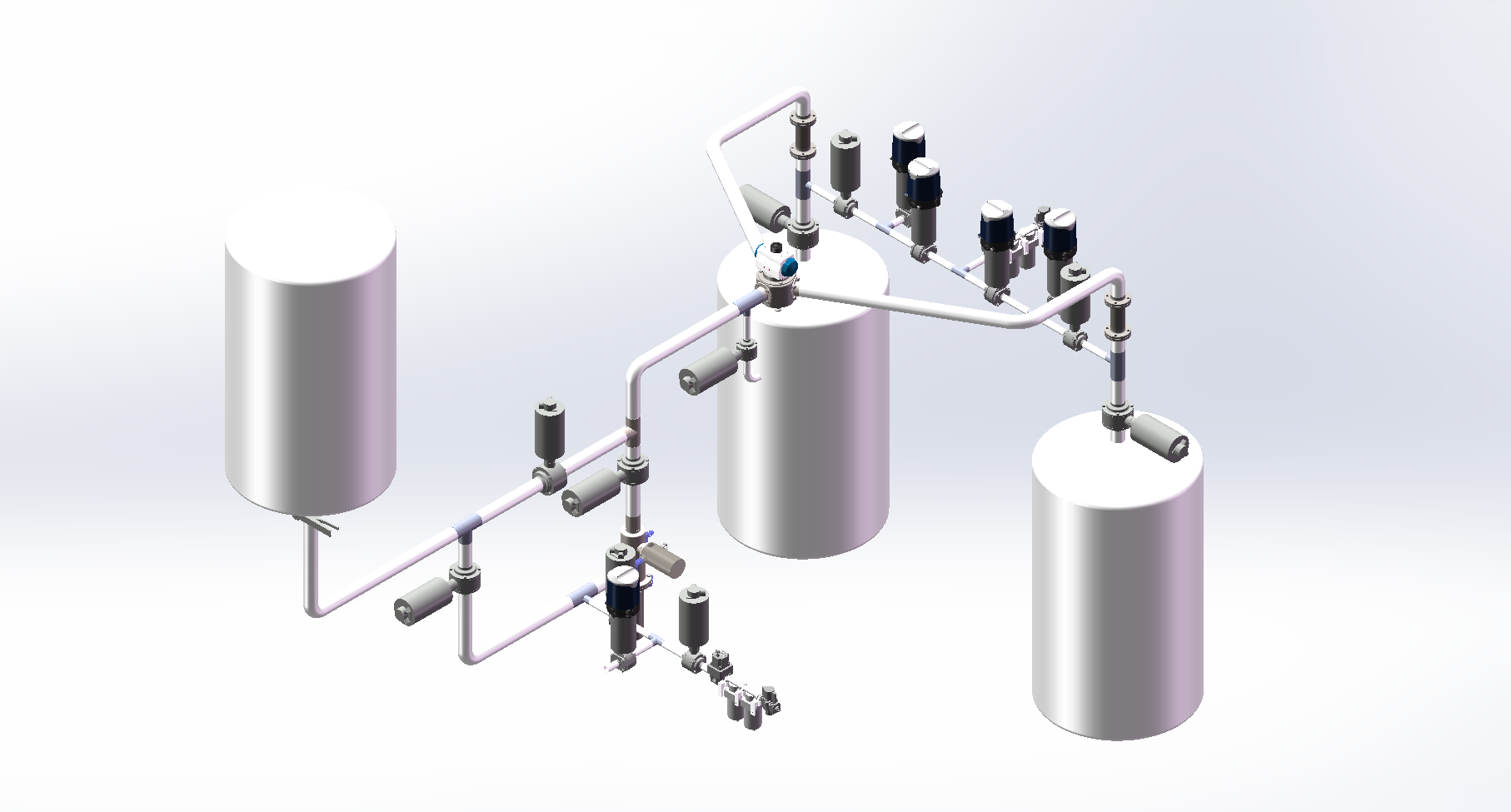
brand differentiating world class pigging systems for export food facilities?
Kicking off Progressive sanitary pigging systems Fluid Transfer Technologies
Safe Product Handling Pigging Systems
Applying sanitation-centric pigging workflows guarantees maximum sanitation plus ingredient integrity. These solutions include certified hygienic substances engineered to withstanding rigorous purification operations throughout blocking microbial buildup.
- Cutting-edge models adopt efficient sterilization routines, improving workflow productivity.
- Following control measures is fundamental for all pipeline hygiene approach executed in gourmet food handling. Methods are engineered to match tight policies, guaranteeing the optimal production standards.
Improving Pipeline Performance by Pigging Methods
Pigging innovation for pipelines delivers a efficient practice for enhancing pipeline throughput. With utilizing intelligent cleaning device positioning and strategic surveillance timelines, supervisors can reduce system breaks, boost flow rates, and preserve system stability. Pigging recognizes potential problems such as hindrances or damage but also allows efficient servicing and assessment protocols. This proactive transit handling considerably cuts maintenance costs and helps the entire stability of the network.
Pigging Technologies for Pet Nutrition: Safety and Quality
Pigging systems have become required components within the pet chow production industry. These systems facilitate the safe and efficient flow of feedstocks through conduits, lessening quality compromises. By effectively partitioning different products or product batches, pigging systems aid sustain the highest levels of merit and integrity in pet food production.
Also, pigging systems yield a range of benefits, embracing reduced downtime for cleaning and operation, improved process efficiency, and restricted raw material leak. The use of pigging systems conclusively aids the production of trusted, wholesome, and constant pet food.
Blueprints for Clean Pigging in Pet Food Manufacturing
Within the assembly of pet food, guaranteeing strict hygiene is critical. Pigging systems are central in assuring product quality and safety by consistently purifying pipelines between processing stages. A well-designed pigging system incorporates elements that avert contamination risks, increase efficient cleaning procedures, and mitigate ingredient transfer between batches.
- The use of smooth surfaces curtails the potential for biofilm development.
- Elements that are cleanable and decay-resilient are important for preserving hygiene.
- Proper valving mitigates the retrograde movement of contaminants during washdown and material passage.
Sanitary pigging system designs also elevate workflow effectiveness by lessening downtime for sterilization. By effectively taking away residues and preventing cross-contamination, these systems foster to a more consistent production process, indisputably leading to the manufacture of sanitized and superior pet food.
Pipeline Preservation and Analysis
Upholding the durability of conduits is critical for safe and high-performance circulation of substances. Pigging systems furnish a budget-friendly system to cleaning pipelines. A pig, also called a pipeline apparatus, is a robotic device pushed through the pipeline to execute various procedures. Cleaning pigs clear buildup and contaminants, while inspection pigs are fitted with instruments to detect flaws in the pipe walls. Regular pigging helps prevent pipeline downtime, upholding safe and reliable delivery.
- Various types of pigs function, each designed for specific roles.
- Pigging operations are reliable and can be managed remotely.
- Executing a pigging program can extend the service life of pipelines and cut down maintenance costs.
Leading-Edge Pigging Methods for Pet Food Production
Pigging appears as a important strategy in the pet food industry, affirming efficient and sanitary production.
High-tech pigging technologies leverage sophisticated machinery to successfully decontaminate pipelines. This diminishes the risk of pipeline pollution between different pet food batch variations, thereby raising product safety and quality.
As well, advanced pigging mechanisms offer a range of benefits such as: * Enhanced workflow productivity in cleaning procedures * Minimized stoppages and workflow delays * Elevated cleanliness benchmarks * Declined use of noxious materials
The employment of these technologies indicates the pet food industry's commitment to making reliable and outstanding pet food for end users.
Problems and Answers in Pigging Systems for Pet Food Production
Pigging operations are important in the pet food production process, maintaining efficient movement of ingredients and finished products. However, these systems grapple with varied challenges. One usual difficulty is blockages caused by material aggregation. Mitigating this problem involves deploying pigging approaches such as flexible pigs and fine-tuning ingredient compounds.
Another issue is the potential of contamination. Diminish this, strict decontamination protocols need to be followed throughout the pigging system. This incorporates regular washing of pigging machinery and execution of functional cleaning chemicals. Regular assessments are also essential to pinpoint potential complications early on. By executing these solutions, pet food manufacturers can guarantee the efficiency and soundness of their pigging systems.
Profitability of Pigging Tools for Pet Food
Pigging mechanisms offer a variety of benefits for pet food manufacturers working to optimize their production processes. These systems leverage air-driven pressure to propel such pig, a cleaning device, through the pipeline, efficiently removing product residue and contaminants. As a result, pigging systems promote to heightened hygiene standards, lowering the risk of cross-contamination and safeguarding a safer final product for consumers.
- What's more, pigging systems can boost production efficiency by curtailing downtime for cleaning and maintenance.
- Additionally, they support to shrink waste by inhibiting product loss during pipeline cleaning.
- In conclusion, pigging systems can be adapted to fit the specific requirements of different pet food production lines.
Proven Outcomes of Pigging in Pet Food Plants
Pet chow market is rising in need of efficient and sanitary systems for maintaining optimal product quality. Pigging systems have risen as a dominant solution to meet these demands, offering a reliable method for cleaning and maintaining pipelines within pet food plants.
A variety of case studies highlight the success of implementing pigging systems in various phases of pet food production.
- Producers like [Company A], [Company B], and [Company C] have reported significant improvements in sanitation, product consistency, and overall operational effectiveness following the adoption of pigging systems.
- Rewards such as reduced downtime for cleaning, minimized cross-contamination risks, and improved visibility of product flow have been documented in these case studies.
What's more, pigging systems contribute to resource reduction by optimizing resource utilization and minimizing waste generation.
Identifying the Right Pigging System for Your Pet Food Pipeline
In terms of securing the integrity standards of your pet food pipeline, a effective pigging system is vital. Pigging systems improve efficiency by extracting product residue and controlling cross-contamination between batches. Selecting the relevant system depends on a variety of requirements, including your production, ingredient characteristics, and present infrastructure.
- Assess the cross-section of your ducts to ensure a fitting pig design.
- Assess the texture of your pet food products to recognize the ideal pig material and rapidity of operation.
- Stress systems that supply features like computerized launching and retrieval for upgraded operational safety.